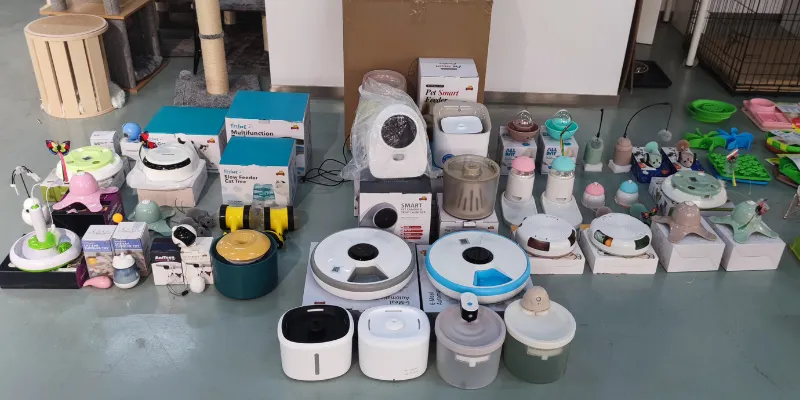
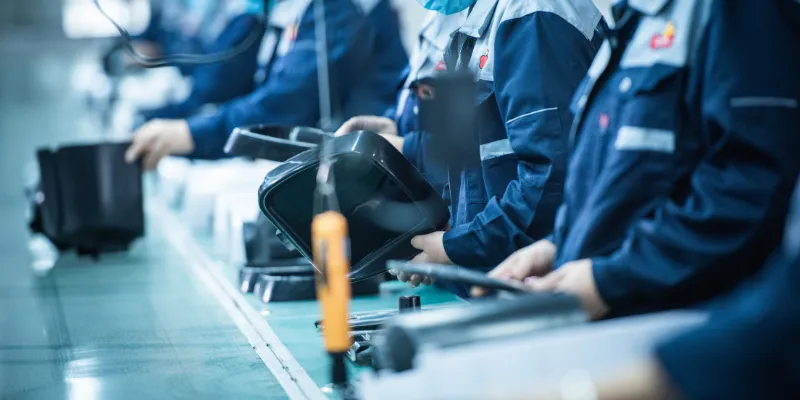
The smart pet industry is no longer limited to large global brands. Over the last five years, hundreds of retailers, Amazon sellers, distributors, and startup founders have entered the market with their own Private Label Smart Pet Product lines.
From automatic pet feeders to smart water fountains and interactive electronic toys, demand continues to grow across North America, Europe, Japan, and Southeast Asia.
But building a successful Private Label pet electronic brand requires more than adding a logo to an existing product.
The buyers that succeed usually focus on three things early:
- Product differentiation
- Reliable manufacturing
- Long-term supply chain stability
This guide breaks down the actual process experienced B2B buyers follow when launching successful Private Label Pet Products programs.
Key Takeaways
- Smart pet feeders, water fountains, and electronic toys remain the strongest categories for private label growth.
- OEM/ODM capability matters more than simply finding the cheapest supplier.
- Packaging, APP experience, and product reliability directly affect retail reviews and repeat sales.
- Large buyers increasingly prefer factories with in-house engineering and scalable production capacity.
- Many new brands fail because they underestimate certification, quality control, and after-sales support.
- Launching with 2–3 focused SKUs often works better than building a large product catalog immediately.
Why the Private Label Smart Pet Industry Keeps Growing
Global pet owners are spending more on convenience, automation, and pet wellness products.
Smart feeders help busy owners maintain feeding schedules. Water fountains encourage better hydration for cats. Interactive electronic toys reduce boredom for indoor pets.
This demand has created strong opportunities for:
- Amazon sellers
- Pet retailers
- Subscription box brands
- Supermarkets
- Online pet startups
- Global distributors
One interesting shift since 2024 is that many buyers are no longer competing only on price. Consumers now pay attention to:
- APP usability
- Product appearance
- Noise levels
- Material quality
- Smart functions
- Brand presentation
That is why Private Label Pet Products have become more valuable than generic white-label imports.
Step 1: Choose the Right Smart Pet Product Category
One of the biggest mistakes new buyers make is trying to launch too many products at once.
Experienced importers usually start with one strong category and expand later.
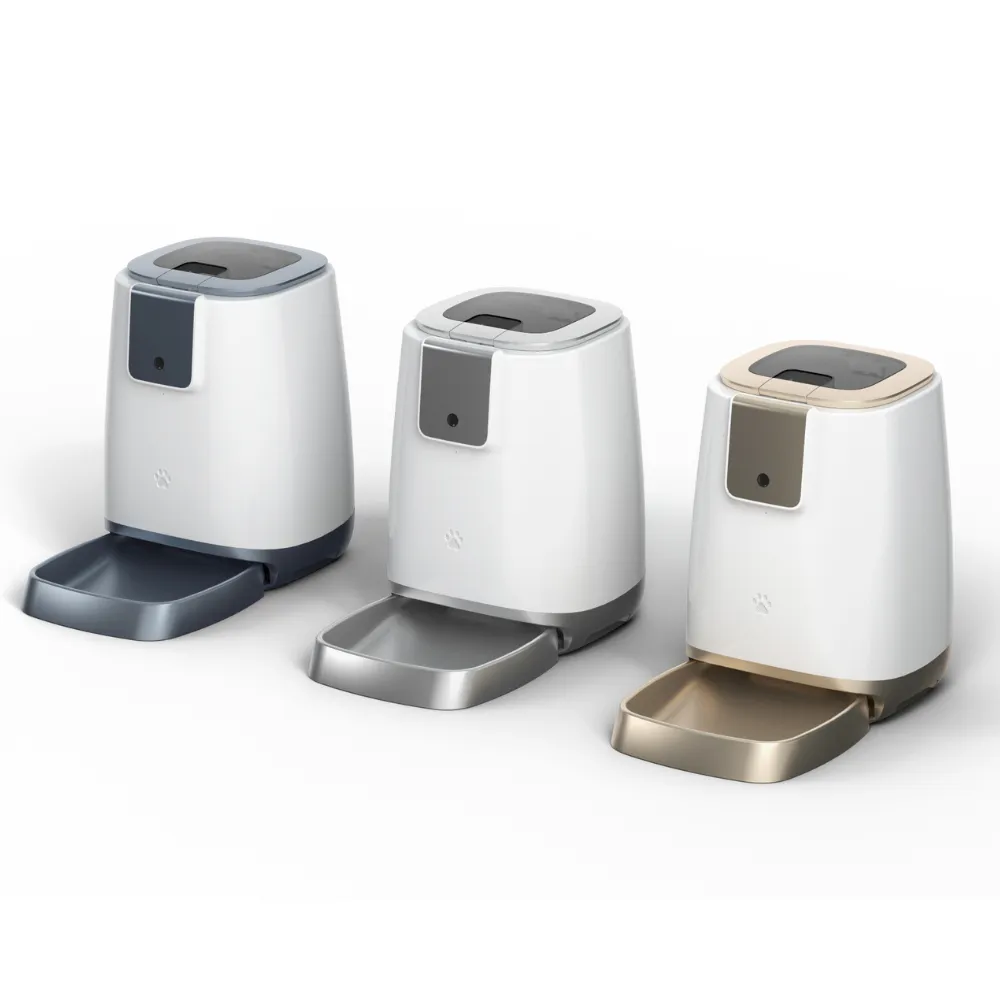
Smart Pet Feeders
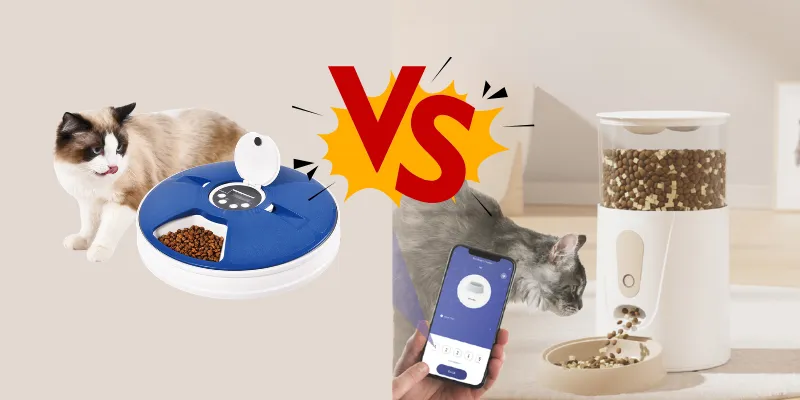
Automatic feeders remain one of the highest-volume smart pet products globally.
Why buyers like them:
- High repeat demand
- Easy upsell opportunities
- Strong eCommerce performance
- Higher average order value
Popular features include:
- APP feeding control
- Camera monitoring
- Voice recording
- Dual power supply
- Portion control systems
Many Amazon sellers report that APP-connected feeders now outperform basic timer feeders in premium price segments.
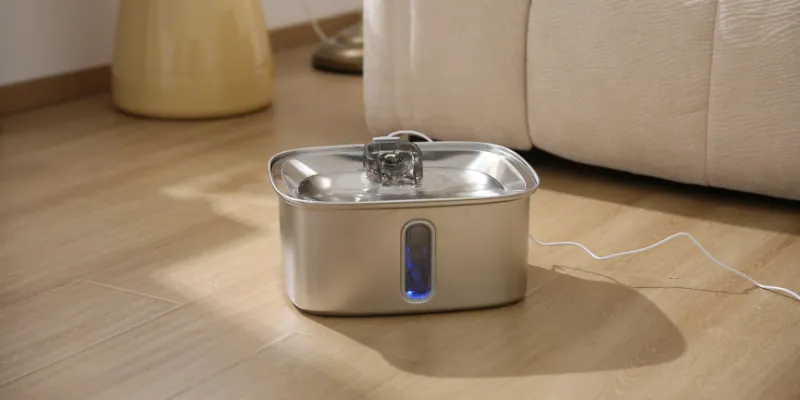
Smart Water Fountains
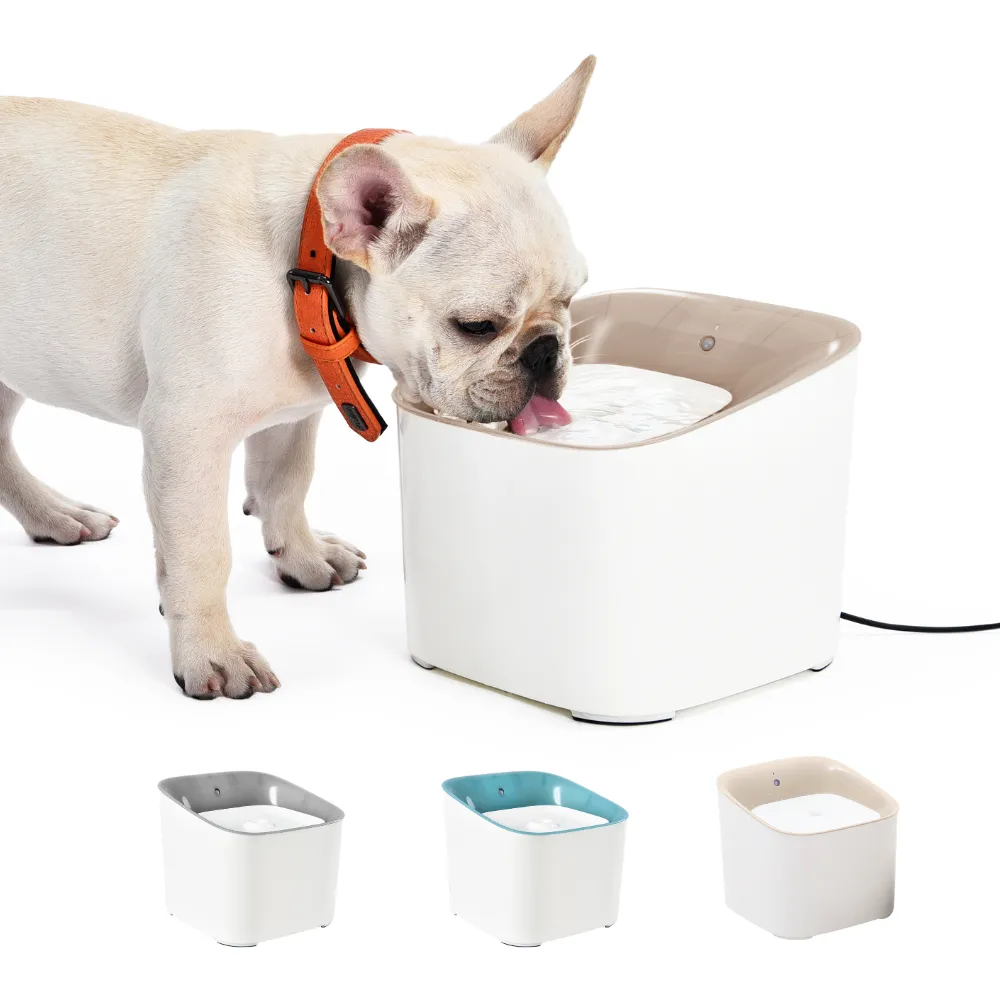
Smart water fountains continue growing quickly, especially in the cat product market.
Consumers increasingly prefer:
- Stainless steel fountains
- Wireless pumps
- Quiet operation
- Filter replacement reminders
- BPA-free materials
For private label buyers, replacement filters can also create recurring revenue opportunities after the original product sale.
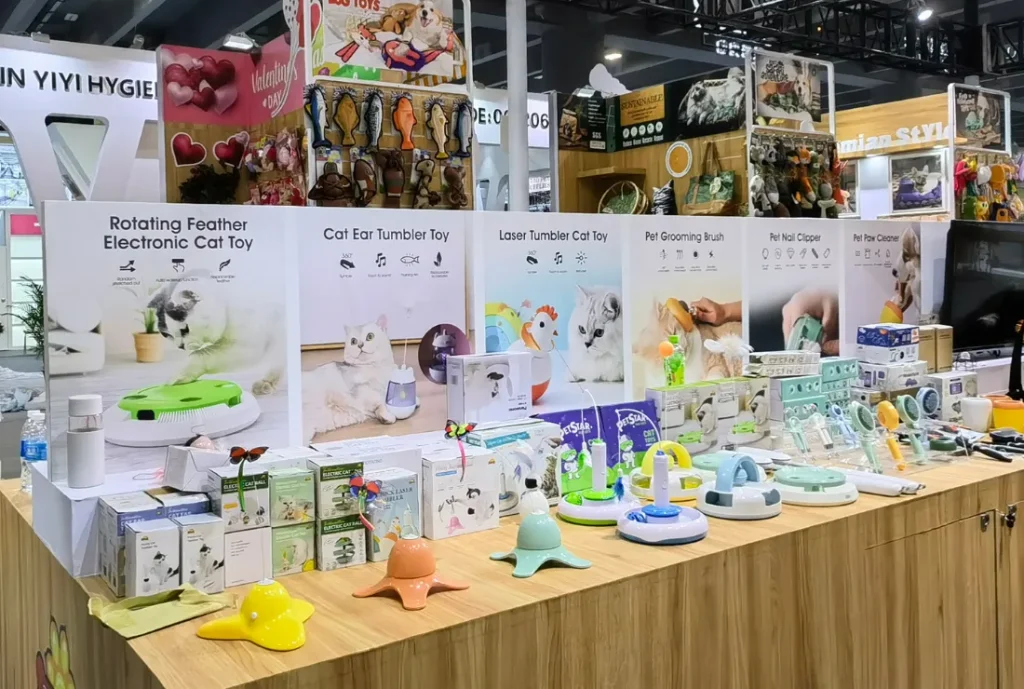
Smart Electronic Toys
Interactive toys have become one of the fastest-growing categories for younger pet owners.
Motion sensors, rechargeable systems, and automatic movement patterns help products stand out online.
Compared with traditional toys, smart electronic toys usually offer:
- Better product differentiation
- Stronger social media marketing potential
- Higher perceived value
However, they also require stronger engineering and quality testing.
Step 2: Find an OEM/ODM Manufacturer Instead of a Trading-Only Supplier
This is where many private label projects succeed or fail.
A supplier may offer attractive pricing, but without real OEM/ODM capability, scaling becomes difficult later.
Professional Private Label pet electronic buyers usually prioritize factories that support:
- Product customization
- Firmware adjustments
- Packaging development
- APP integration
- Mold modification
- Engineering support
Factories with in-house R&D teams can often solve technical problems much faster than trading companies relying on third-party workshops.
Large-scale production capability also becomes important during peak retail seasons.
Some importers experienced severe delays during holiday preparation periods because their supplier lacked stable production scheduling.
Before choosing a manufacturing partner, ask about:
- Monthly production capacity
- Engineering team size
- QC process
- Product testing standards
- Certification experience
- Lead time stability
You can also explore our OEM capabilities here:
https://pettechfactory.com/oem-pet-tech-manufacturer
Or visit our homepage to discover smart pet product categories and factory solutions.
Step 3: Avoid Competing Only on Price
One of the most common mistakes in the smart pet industry is choosing products only based on unit cost.
Cheap products often create larger hidden costs later:
- High return rates
- Negative online reviews
- APP instability
- Pump failures
- Charging issues
- Packaging damage
One European distributor reportedly had return rates above 15% after sourcing low-cost pet fountains with unstable pumps.
The initial factory quote looked attractive, but the long-term losses were much higher.
Professional buyers now focus more on:
- Reliability
- User experience
- Packaging quality
- Material standards
- Long-term supplier stability
For example, reducing product returns by even 3–5% can significantly improve overall profit margins for large-volume sellers.
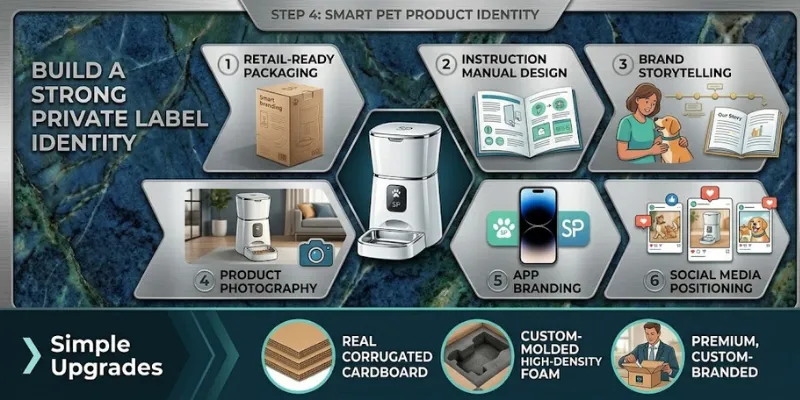
Step 4: Build a Strong Private Label Identity
Adding a logo is not enough anymore.
Successful Private Label Smart Pet Product brands usually develop a complete product presentation strategy.
This includes:
- Retail-ready packaging
- Instruction manual design
- Brand storytelling
- Product photography
- APP branding
- Social media positioning
Many successful Amazon brands also focus heavily on packaging engineering because damaged packaging directly affects review scores.
Simple upgrades like:
- Thicker carton protection
- Better internal inserts
- Cleaner unboxing experiences
can noticeably improve customer satisfaction.
Step 5: Understand Certifications Before Entering Global Markets
Many new importers underestimate certification requirements.
Different markets often require different compliance standards.
For smart pet electronics, buyers commonly request:
- CE
- FCC
- RoHS
- REACH
Without proper certifications, shipments may face delays, platform restrictions, or customs problems.
Experienced OEM factories usually understand these requirements and can help buyers prepare testing documentation earlier in the sourcing process.
This becomes especially important for:
- Amazon FBA sellers
- Retail chain suppliers
- European distributors
Step 6: Start with a Small but Focused Product Line
A common mistake for startups is launching too many SKUs immediately.
Many successful pet brands actually started with:
- One feeder
- One fountain
- One toy
Then expanded after understanding customer feedback.
This approach helps buyers:
- Reduce inventory pressure
- Simplify marketing
- Improve quality control
- Focus advertising budgets
It also makes supply chain management easier during the first production cycles.
Common Mistakes New Private Label Buyers Make
Choosing Suppliers Only by Price
Low-cost products often create expensive after-sales problems.
Ignoring APP Experience
Consumers quickly leave negative reviews if APP connections are unstable or confusing.
Weak Packaging Design
Poor packaging damages brand perception immediately, especially in eCommerce channels.
Launching Too Many Products Too Fast
Managing inventory, quality control, and marketing becomes difficult without operational experience.
Skipping Product Testing
Even small issues like noisy motors or charging instability can damage product ratings quickly.
What Large Buyers Usually Look for in a Smart Pet Product Factory
Professional buyers often prioritize factories with:
- OEM/ODM engineering capability
- Stable production scheduling
- Large-scale manufacturing
- International certification experience
- Strict QC systems
- Packaging customization support
- Long-term partnership potential
As competition increases, stable manufacturing partnerships are becoming more valuable than short-term pricing advantages.
Final Thoughts
The opportunity for Private Label Pet Products remains strong, especially in smart feeders, water fountains, and interactive electronic toys.
But successful brands rarely rely on low pricing alone.
The companies growing fastest usually focus on:
- Product quality
- Smart functionality
- Reliable manufacturing
- Strong branding
- Long-term customer experience
Whether you are an Amazon seller, distributor, retailer, or startup founder, choosing the right OEM manufacturing partner can dramatically affect your long-term growth.
Looking for an OEM Smart Pet Product Manufacturer?
We support global buyers with:
- OEM/ODM development
- Large-scale production
- Smart pet feeders
- Smart water fountains
- Smart electronic toys
- Packaging customization
- International compliance support
Explore our OEM solutions:
https://pettechfactory.com/oem-pet-tech-manufacturer
Or contact our factory team for OEM consultation and product development support.

What Is the Biggest Challenge You Face When Starting a Private Label Pet Brand?
Are you struggling with supplier selection, product differentiation, certifications, or inventory planning? Share your questions or sourcing challenges with us.