SUMMARY
Explore our comprehensive Pet Tech Products Purchase Guide for 2026. Learn how to source smart pet products, evaluate OEM/ODM manufacturers, compare leading pet tech categories, and avoid common importing mistakes. This guide helps global buyers choose reliable pet electronics suppliers and build successful wholesale or private-label businesses.
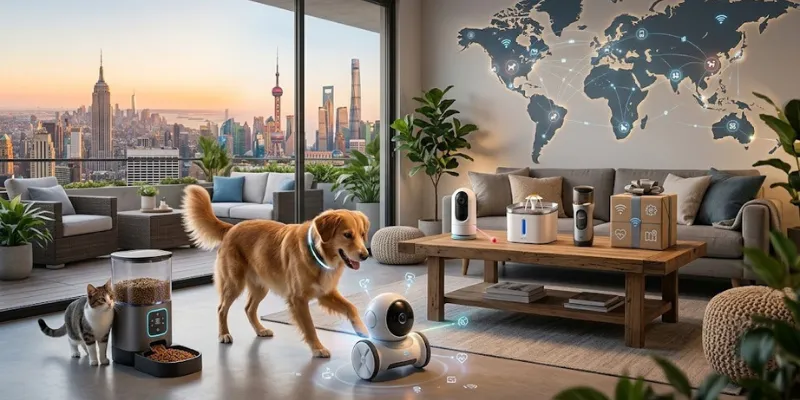
The pet industry is no longer driven solely by traditional products such as bowls, beds, and toys. Across North America, Europe, and Australia, pet owners are increasingly adopting smart pet products that offer greater convenience, automation, and insight into their pets’ daily routines. From app-controlled feeders to self-cleaning litter boxes, pet technology has evolved from a niche category into a mainstream growth opportunity.
For importers, Amazon sellers, distributors, and private-label brands, this shift presents significant potential. However, not all pet tech products are created equal. Product quality, software performance, manufacturing capabilities, and regulatory compliance can vary dramatically between suppliers. Choosing the right products—and the right manufacturing partner—can have a direct impact on profitability, customer satisfaction, and long-term brand growth.
This Pet Tech Products Purchase Guide will help global buyers evaluate the most promising smart pet products in 2026 and make more informed sourcing decisions.
Why Smart Pet Products Continue to Gain Market Share
Pet owners today expect the same level of connectivity and convenience from pet products that they enjoy from consumer electronics. As a result, demand for smart pet devices has expanded beyond early adopters and technology enthusiasts.
The strongest-performing products are those that solve everyday challenges. Automatic feeding schedules help busy owners manage pet nutrition. Smart water fountains encourage healthier hydration habits. Interactive toys provide stimulation when owners are away. Self-cleaning litter boxes reduce one of the least enjoyable aspects of pet ownership.
For buyers entering the category, the first rule is simple: focus on products that solve genuine problems. Features alone do not create successful products. Real-world usefulness does.
How to Evaluate Smart Pet Feeders Before Importing
Among all pet technology categories, smart pet feeders remain one of the most stable and scalable opportunities for wholesalers and private-label brands. Every pet owner feeds their pets daily, making feeding solutions relevant across virtually every market.
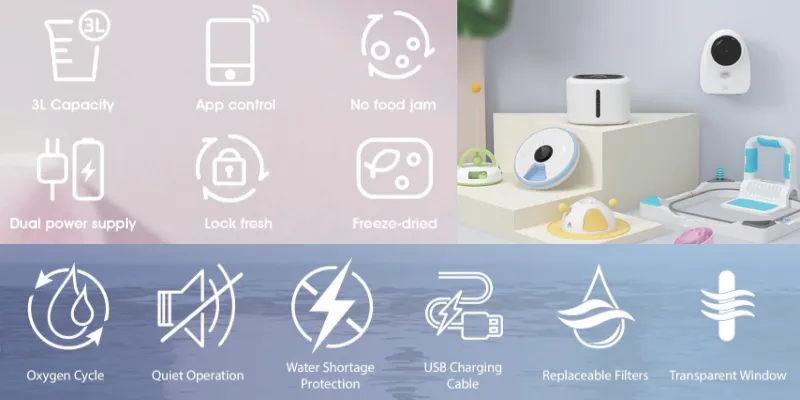
A quality automatic pet feeder should provide accurate portion control, reliable scheduling, and stable connectivity. While many suppliers advertise similar features, performance differences often become apparent after extended use.
When evaluating a smart feeder supplier, buyers should look beyond app screenshots and marketing materials. The quality of the dispensing mechanism, food-grade materials, anti-jam design, and long-term durability are often more important than adding another software feature.
For businesses planning to launch a private-label product, working with an experienced OEM pet tech manufacturer can provide additional flexibility in branding, packaging, firmware customization, and product differentiation. This approach often creates a stronger competitive advantage than selling identical off-the-shelf products.
What Makes a High-Quality Pet Water Fountain
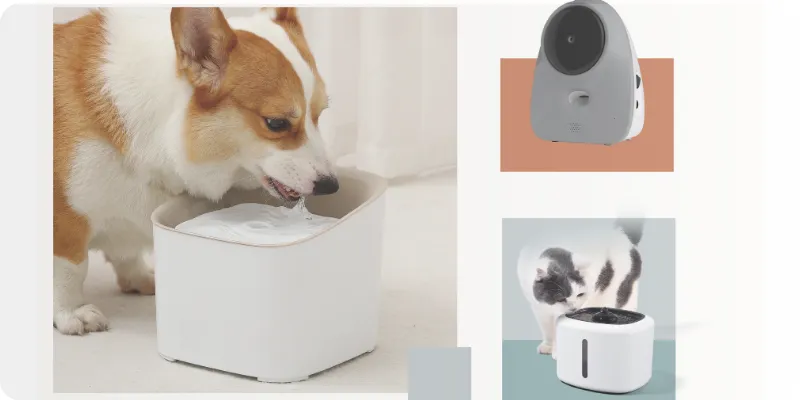
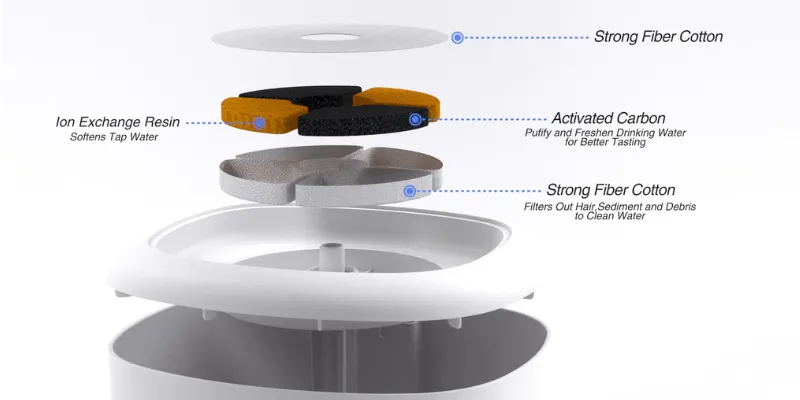
Automatic pet water fountains continue to be one of the fastest-growing segments within the smart pet products market. Many pet owners, particularly cat owners, prefer running water systems because they encourage more frequent drinking and reduce concerns about stagnant water.
From a sourcing perspective, buyers should pay close attention to product design and maintenance requirements. A fountain that looks attractive on a product page may still generate customer complaints if cleaning is difficult or replacement filters are expensive.
The most successful water fountain products typically combine quiet operation, efficient filtration, easy maintenance, and durable pump performance. These factors influence customer satisfaction far more than cosmetic design alone.
Importers should also confirm whether the manufacturer can provide a stable supply of replacement filters and spare parts. Recurring consumable sales can create an additional revenue stream while improving customer retention.
Why Interactive Pet Toys Remain a Strong Opportunity
Pet owners increasingly view enrichment as an essential part of pet care. This trend has helped drive demand for interactive pet toys, particularly among younger consumers who actively seek products that keep pets engaged during working hours.
Smart pet toys have evolved significantly in recent years. Today’s products often feature motion sensors, irregular movement patterns, automated play modes, and rechargeable battery systems designed to maintain engagement over longer periods.
For e-commerce brands, interactive toys offer another advantage: they perform exceptionally well in video-based marketing. Demonstrations showing real pet interaction frequently generate stronger engagement than static product photography.
That said, buyers should evaluate product durability carefully. Pets are not gentle users. A toy that performs well in laboratory testing but fails under real-world conditions can quickly damage brand reputation and increase return rates.
Understanding the Complexity of Self-Cleaning Litter Boxes
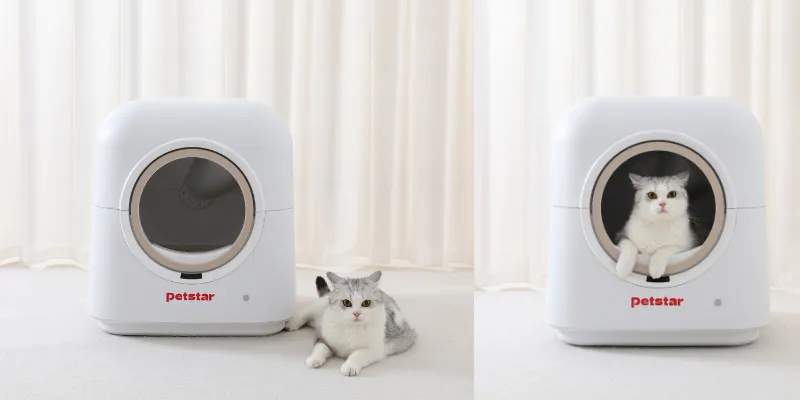
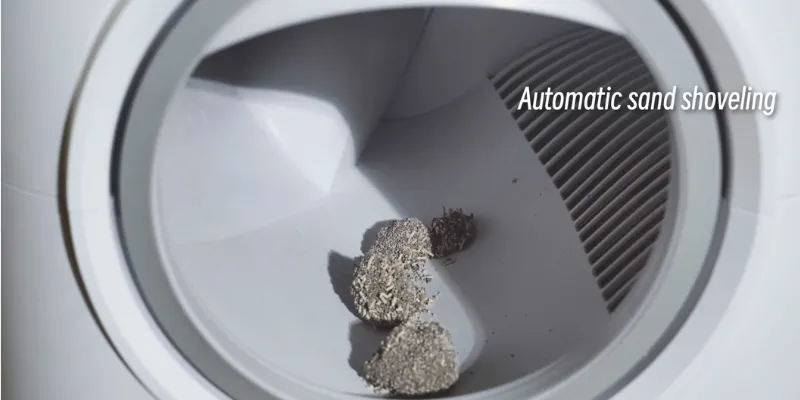
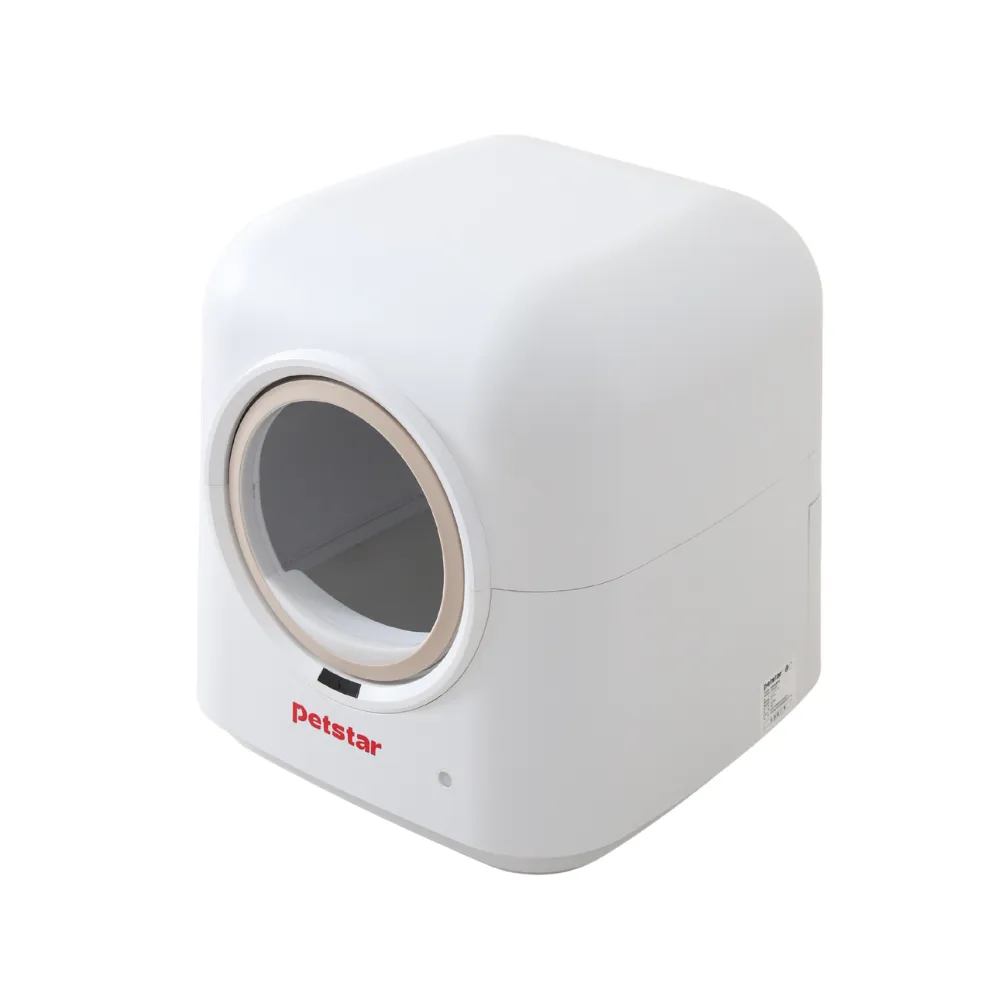
Few categories have attracted as much attention in recent years as self-cleaning litter boxes. These products combine convenience, automation, and premium positioning, making them attractive for both retailers and consumers.
At the same time, they are among the most technically demanding products in the pet electronics industry.
Unlike simpler pet devices, automatic litter boxes rely on multiple systems working together seamlessly. Mechanical components, electronic control systems, motion sensors, safety detection technologies, and mobile applications must operate reliably to ensure safe and consistent performance.
Because of this complexity, supplier selection becomes particularly important. Buyers should evaluate engineering expertise, product testing procedures, software development capabilities, and quality assurance systems before placing large-volume orders.
A lower factory price may appear attractive initially, but product failures can create far greater costs through warranty claims, negative reviews, and damaged brand credibility.
Why Software Matters as Much as Hardware
Many buyers focus heavily on hardware specifications when comparing pet technology products. Yet software often has a greater influence on the end-user experience.
A feeder that misses scheduled meals because of app connectivity issues or a litter box that generates inaccurate notifications can quickly frustrate consumers. In many cases, customer reviews focus more on software reliability than physical product design.
When sourcing smart pet devices, buyers should assess the quality of the accompanying mobile application, firmware update capabilities, cloud infrastructure, and multilingual support. These factors are particularly important for brands selling across multiple international markets.
Reliable software support can also extend product lifespan and improve customer retention by enabling future updates and feature improvements.
OEM vs ODM: Choosing the Right Manufacturing Strategy
Many businesses begin by purchasing standard products from existing catalogs. While this approach can reduce development time, it often leads to intense price competition.
As competition increases, product differentiation becomes increasingly valuable.
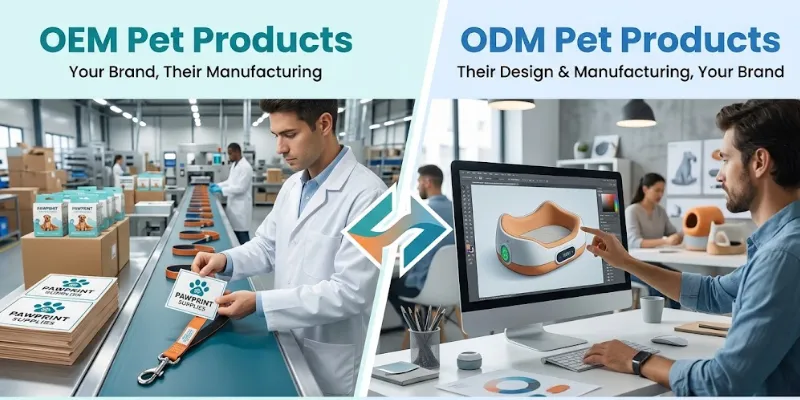
OEM manufacturing allows brands to customize branding, packaging, and selected product elements while leveraging an existing product platform. ODM development goes a step further by enabling more extensive product customization and unique feature integration.
For growing brands, ODM services often provide a pathway toward stronger brand identity and improved margins. The ability to offer products that competitors cannot easily replicate can create long-term value that extends beyond simple price competition.
Common Mistakes Buyers Make When Importing Smart Pet Products
One of the most common sourcing mistakes is focusing exclusively on unit cost. While pricing is important, it represents only one part of the overall business equation.
Poor software performance, inconsistent quality, inadequate testing, and weak after-sales support can ultimately cost far more than the savings achieved through a lower purchase price.
Another frequent mistake is selecting products based solely on feature lists. More features do not automatically create a better user experience. Reliability, ease of use, and product longevity often matter far more to consumers than additional functions.
Successful importers typically evaluate products from a long-term perspective, considering customer satisfaction, repeat purchase potential, and brand reputation alongside initial procurement costs.
Final Thoughts
The global market for smart pet products continues to expand as consumers seek more convenient and connected ways to care for their pets. Categories such as smart pet feeders, automatic pet water fountains, interactive pet toys, and self-cleaning litter boxes remain among the most promising opportunities for importers, distributors, and private-label brands in 2026.
A successful sourcing strategy requires more than identifying trending products. It involves evaluating product reliability, software performance, manufacturing expertise, compliance standards, and long-term supplier capabilities.
For businesses looking to import smart pet products, build a private-label brand, or develop customized pet technology solutions, partnering with an experienced OEM/ODM manufacturer can help reduce risk and create a stronger foundation for growth.
Looking for a reliable pet tech manufacturing partner? Contact us today to request a quotation, discuss OEM/ODM opportunities, and explore our latest range of wholesale smart pet products designed for global markets.

 Pro Tip: Looking for a reliable