SUMMARY
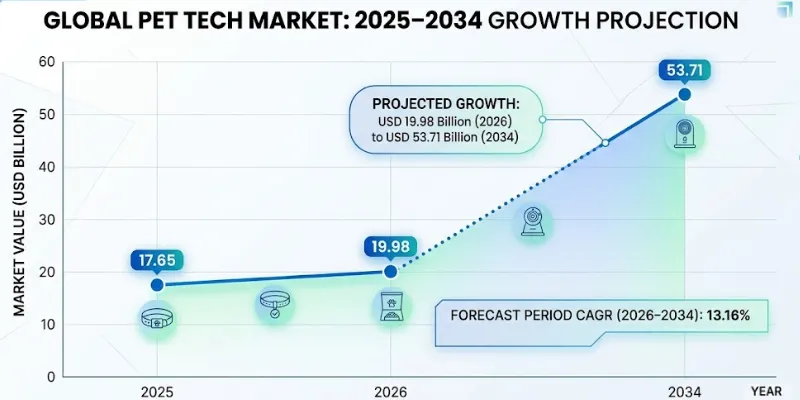
The global pet tech market is projected to grow from USD 19.98 billion in 2026 to USD 53.71 billion by 2034, reflecting strong demand for connected pet care solutions worldwide. Driven by pet humanization, smart home adoption, and advances in AI-powered pet technology, the industry continues to create opportunities for brands, distributors, wholesalers, and retailers. This article explores the latest pet tech market trends in 2026 and what they mean for businesses sourcing smart pet products.
The pet industry is no longer defined by traditional products alone.
Over the past decade, technology has steadily transformed how pet owners feed, monitor, entertain, and care for their animals. What began with GPS trackers and activity monitors has evolved into a connected ecosystem of smart feeders, pet cameras, automated litter boxes, health-monitoring devices, and interactive toys.
For brands, distributors, wholesalers, and retailers, this shift presents more than a consumer trend. It represents one of the fastest-evolving segments of the global pet industry.
According to Fortune Business Insights, the global pet tech market was valued at USD 17.65 billion in 2025 and is projected to grow from USD 19.98 billion in 2026 to USD 53.71 billion by 2034, expanding at a CAGR of 13.16% during the forecast period. Those figures reflect growing consumer demand for connected pet care solutions and increasing investment across the broader smart pet industry.
The question for B2B buyers is no longer whether pet technology is gaining traction.
The real question is where the opportunities are emerging and how businesses can position themselves to capitalize on them.
Why the Pet Tech Market Continues to Expand
Several long-term trends are reshaping consumer expectations and driving demand across the global pet technology market.
Pets Are Increasingly Treated Like Family Members
Pet humanization remains one of the most influential forces behind industry growth.
Modern pet owners are spending more on products that improve convenience, health, safety, and overall quality of life for their pets. In many households, pets are viewed as family members rather than companions alone.
This shift is changing purchasing behavior.
Consumers are increasingly willing to invest in products that offer measurable benefits, whether that means monitoring activity levels, automating feeding schedules, tracking location, or improving hydration.
As expectations rise, technology-enabled products are becoming a natural extension of everyday pet care.
Demand for Preventive Pet Care Is Growing
Health awareness is another major market driver.
Pet owners are paying closer attention to wellness, nutrition, activity tracking, and preventive care than ever before. Smart devices provide valuable insights that help owners make informed decisions while creating opportunities for more proactive care.
Industry research also points to increasing adoption of health-monitoring technologies, AI-powered analytics, and connected pet care ecosystems as key growth drivers within the smart pet products market.
Smart Homes Are Creating New Consumer Expectations
The widespread adoption of connected home devices is accelerating demand for pet technology.
Consumers who already use robot vacuum cleaners, smart security systems, voice assistants, and automated appliances are often more receptive to technology-driven pet products.
Smart pet devices are increasingly viewed as part of a broader connected lifestyle rather than standalone gadgets.
This shift is helping expand the addressable market well beyond early adopters.
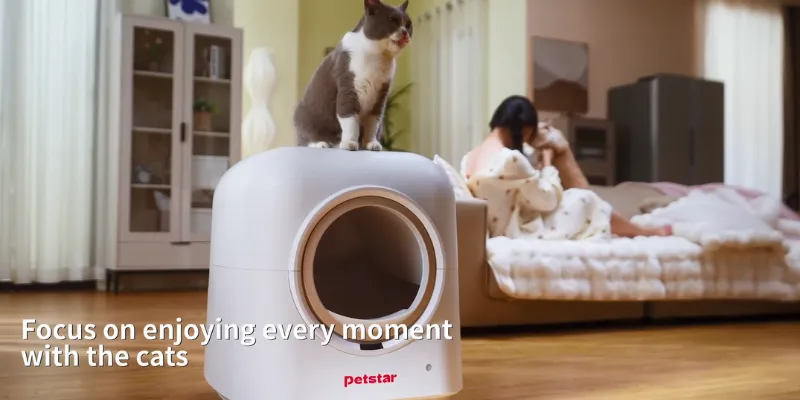
Key Pet Tech Market Trends 2026
The next phase of growth within the pet tech market is being shaped by several emerging trends.
Understanding these developments can help buyers identify product categories with the strongest long-term potential.
AI-Powered Pet Monitoring
Artificial intelligence is beginning to play a larger role across pet care applications.
Newer technologies can analyze behavior patterns, track activity levels, monitor feeding habits, and provide alerts when unusual activity is detected.
According to industry forecasts, AI and machine learning applications are expected to be among the fastest-growing technology segments within the pet technology sector over the coming decade.
For brands, this creates opportunities to differentiate products through smarter functionality rather than competing solely on hardware specifications.
Connected Pet Care Ecosystems
Consumers increasingly prefer products that work together.
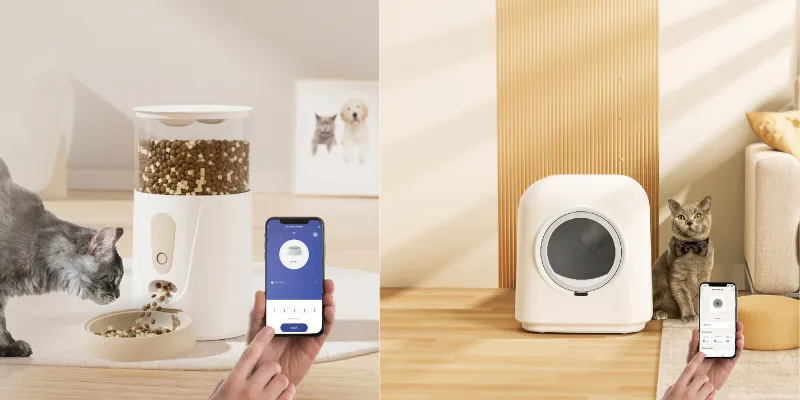
Rather than purchasing individual devices independently, many pet owners are building connected ecosystems that combine feeding, hydration, monitoring, and health management functions.
This trend is encouraging manufacturers and brands to develop products that integrate with mobile applications and cloud-based platforms.
The result is a more seamless user experience and stronger long-term customer engagement.
Preventive Health and Wellness Tracking
Pet owners are becoming more proactive about health management.
Wearable devices, smart monitoring systems, and connected healthcare tools are helping consumers identify potential issues earlier and monitor long-term wellness trends.
Research from SNS Insider suggests that health and fitness monitoring applications are expected to experience particularly strong growth over the coming years, reflecting broader demand for preventive pet care solutions.
Automation Becomes Mainstream
Automation is no longer considered a luxury feature.
Consumers increasingly expect products that simplify daily routines and reduce repetitive tasks.
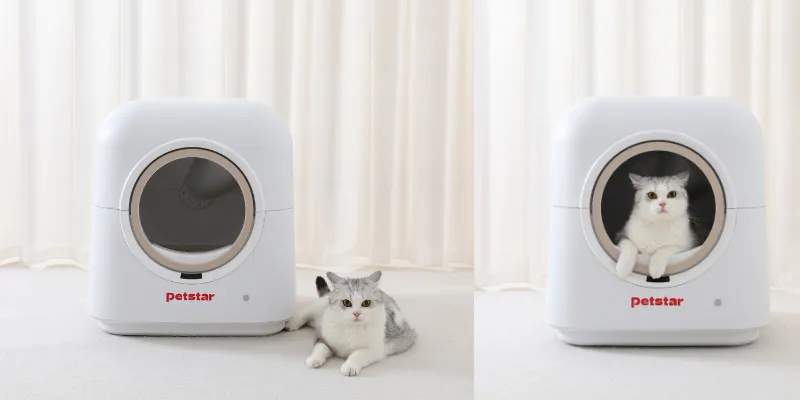
From feeding schedules to hydration management and litter maintenance, automated solutions continue to attract attention from busy pet owners seeking convenience without compromising care quality.
What This Means for B2B Buyers
For wholesalers, distributors, retailers, and private-label brands, market growth alone does not guarantee opportunity.
Success depends on selecting categories that align with long-term consumer demand.
The most promising segments are often those that solve recurring pet care challenges while offering strong perceived value.
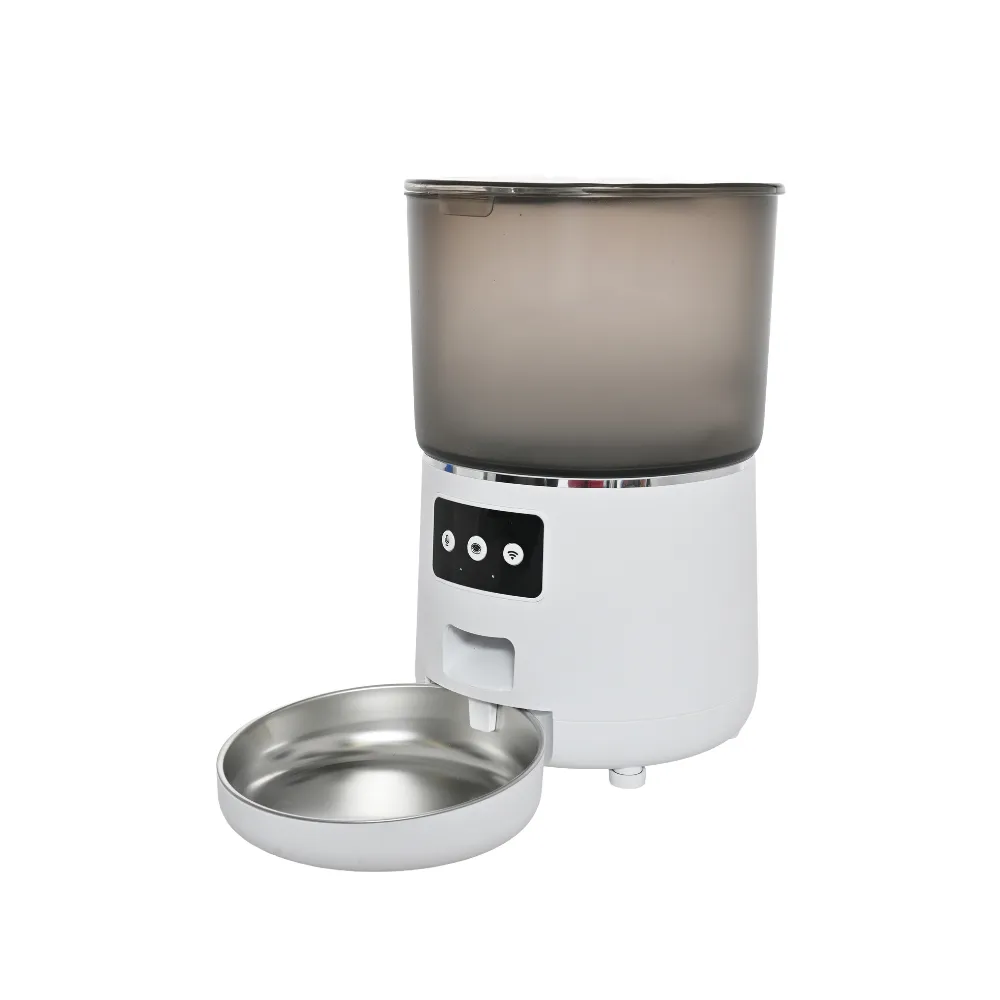
Smart Pet Feeders
Among all pet electronics categories, smart feeders remain one of the most widely adopted products.
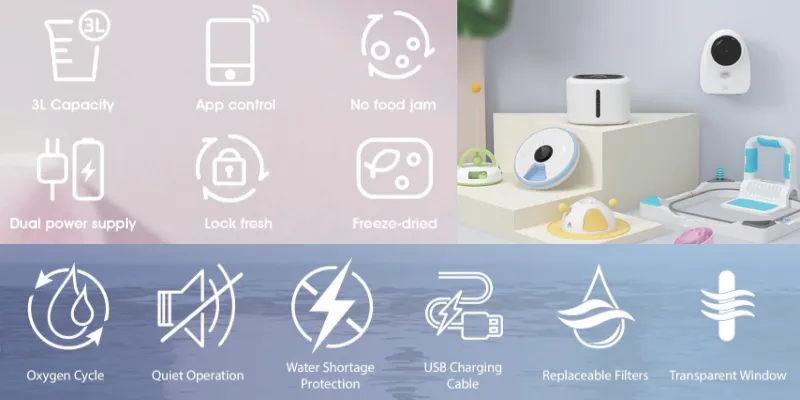
Consumers value the ability to automate feeding schedules, control portion sizes, and monitor feeding activity remotely through mobile applications.
For B2B buyers, smart feeders offer several advantages:
- Broad consumer appeal
- Recurring demand across multiple markets
- Opportunities for private-label branding
- Strong compatibility with OEM/ODM customization
As more consumers embrace connected pet care solutions, smart feeders continue to serve as a gateway product into the broader pet technology ecosystem.
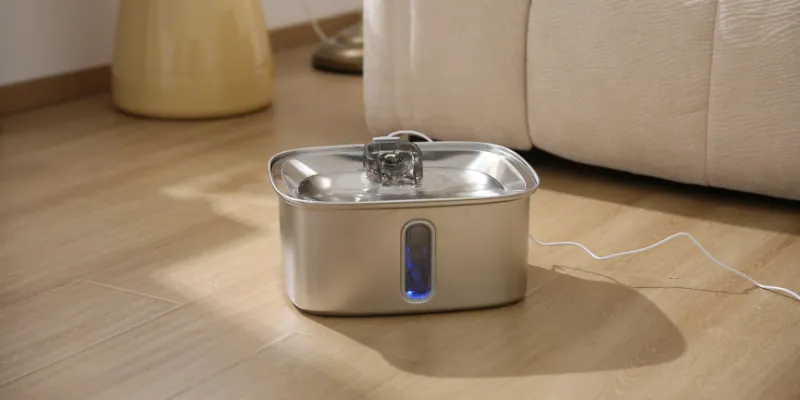
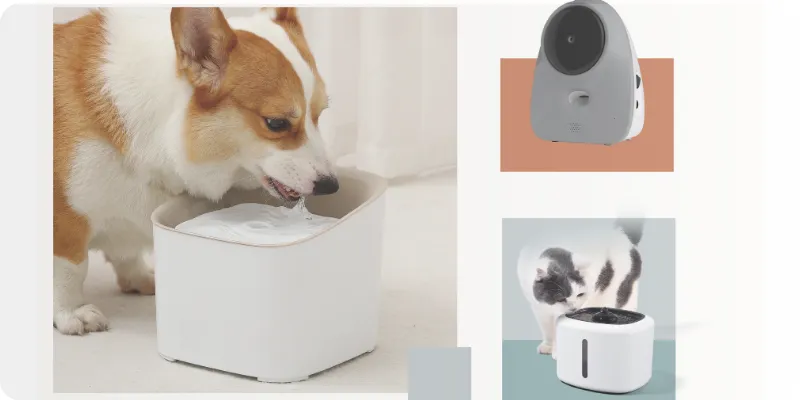
Pet Water Fountains
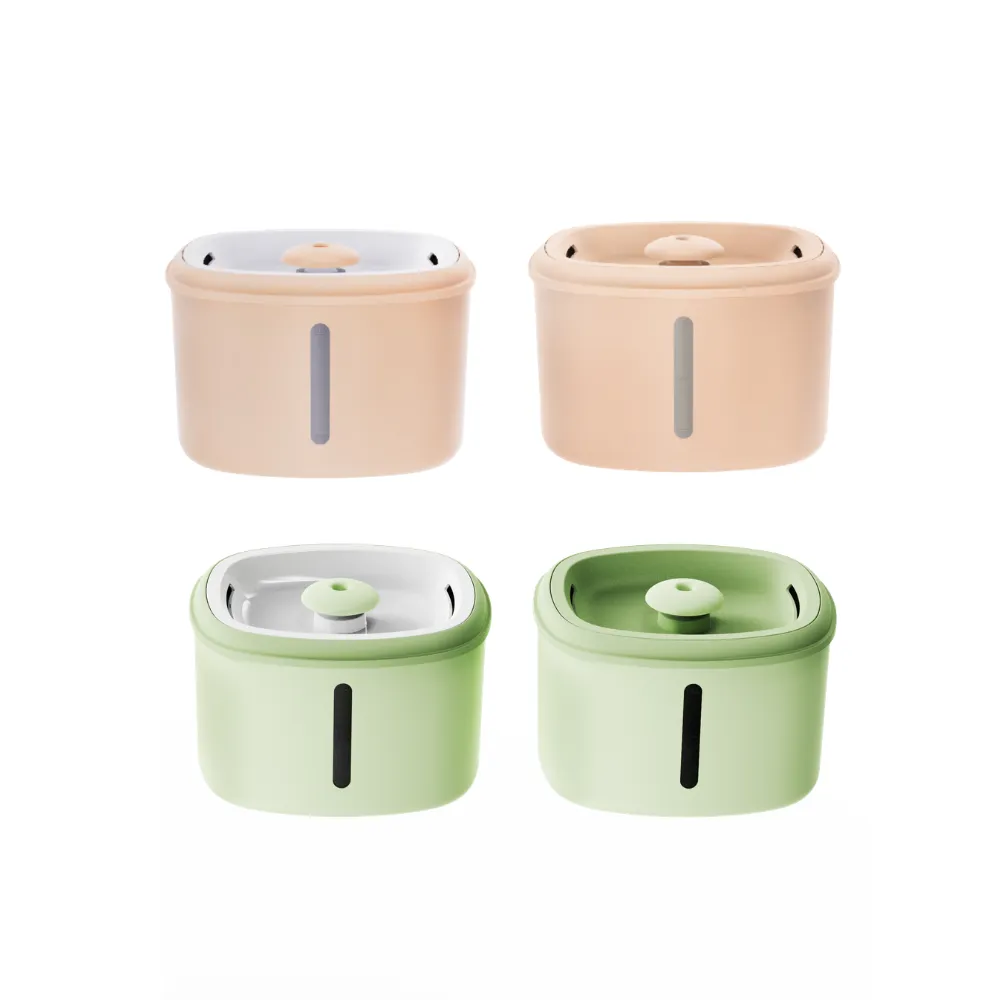
Hydration has become an increasingly important topic among pet owners.
Pet water fountains address concerns around water quality, freshness, and convenience while encouraging healthier drinking habits.
The category continues to perform well because it combines practical functionality with relatively straightforward consumer education.
For brands seeking scalable product opportunities, water fountains often represent an attractive balance between affordability and perceived value.
Interactive Pet Toys
Interactive toys are benefiting from changing pet ownership patterns, particularly among urban consumers.
As more pets spend time indoors, owners are looking for products that provide stimulation, exercise, and engagement.
Technology-enabled toys help address these needs through motion sensors, automated play functions, and interactive features that encourage activity even when owners are away.
The category also presents opportunities for product innovation and differentiation, making it attractive for brands looking to expand beyond traditional pet accessories.
Regional Opportunities Worth Watching
While demand for pet technology continues to expand globally, growth patterns vary by region.
North America Remains a Leading Market
North America continues to represent one of the largest markets for pet technology products.
High pet ownership rates, strong consumer spending, and early adoption of connected devices have helped establish the region as a major driver of industry demand.
The United States remains particularly important due to its mature pet industry and willingness to adopt innovative pet care solutions.
Europe Continues to Embrace Pet Innovation
European consumers are increasingly investing in technology-enabled pet care products.
Growing urbanization, rising awareness of pet wellness, and strong animal welfare standards continue to support demand across the region.
The expansion of pet-focused startups and digital pet care platforms is also contributing to ongoing market development.
Asia Pacific Offers Significant Growth Potential
Many industry analysts view Asia Pacific as one of the most promising growth regions for the coming decade.
Rising disposable incomes, increasing pet ownership, expanding e-commerce infrastructure, and growing awareness of pet wellness are all supporting demand for smart pet products.
For manufacturers and brands, the region presents substantial long-term opportunities.
What Buyers Should Look for When Sourcing Pet Electronics
As competition increases, product selection becomes more important than ever.
Successful buyers often evaluate suppliers based on several factors:
- Product quality and reliability
- Regulatory compliance
- Product development capabilities
- Supply chain stability
- Manufacturing scalability
- Customization flexibility
- Long-term support
Price remains important, but it is rarely the only consideration.
In a market driven by technology and consumer trust, product performance and supplier reliability often have a greater impact on long-term success.
The Future of the Smart Pet Industry
The broader direction of the smart pet industry is becoming increasingly clear.
Consumers want products that help them care for pets more efficiently while providing greater visibility into health, behavior, and daily routines.
Manufacturers are responding with smarter devices, stronger connectivity, and more integrated ecosystems.
As technology continues to evolve, the line between traditional pet products and connected pet solutions will become increasingly blurred.
Businesses that understand these changes and adapt their product strategies accordingly will be better positioned to capture future growth opportunities.
Final Thoughts
The outlook for the global pet tech market remains highly encouraging.
With the market projected to more than double over the coming decade, demand for connected pet care solutions is expected to create opportunities across multiple product categories, including smart pet feeders, pet water fountains, interactive toys, health-monitoring devices, and automated care systems.
For wholesalers, distributors, retailers, and emerging pet brands, now is an ideal time to evaluate how pet technology fits within long-term growth strategies.
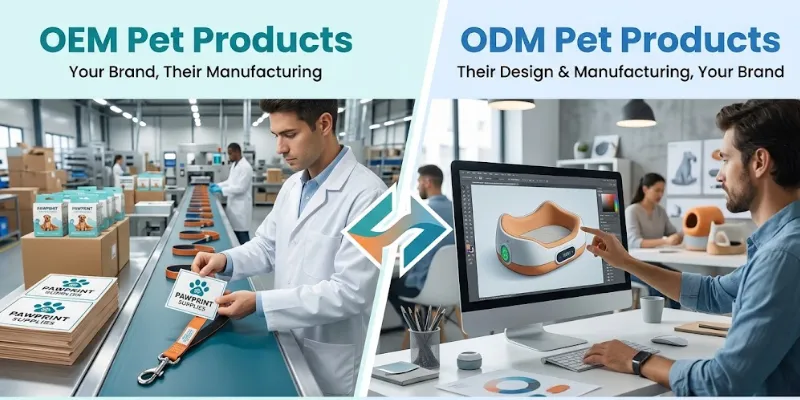
As an experienced pet electronics manufacturer, we work closely with global brands to develop innovative smart pet products through flexible OEM and ODM solutions. From product development and customization to scalable manufacturing support, our team helps partners bring market-ready pet technology products to customers worldwide.
Let’s build the future of pet tech together. Reach out to our team today to explore our premium OEM/ODM capabilities and see how we can accelerate your business growth.