SUMMARY
Is the self-cleaning litter box market still worth entering in 2026? This article explores the latest trends shaping the category, from changing consumer expectations and smart pet technology adoption to OEM and private-label opportunities. Learn why automatic cat litter boxes continue to attract attention from brands, retailers, distributors, and e-commerce sellers, what features matter most to today’s buyers, and how to choose the right self-cleaning litter box manufacturer for long-term success.
Why the Self-Cleaning Litter Box Market Is Gaining Momentum in 2026
A few years ago, self-cleaning litter boxes occupied a relatively small corner of the pet industry.
Most were positioned as premium convenience products—designed for early adopters and technology-focused consumers willing to pay more for automation. While the category attracted attention, it was still considered a niche opportunity by many retailers and pet brands.
That perception is changing.
In 2026, the self-cleaning litter box market is receiving significantly more attention from manufacturers, distributors, retailers, and e-commerce sellers. Growing interest in smart pet products, changing consumer expectations, and continued investment in pet care innovation have all contributed to increased visibility for the category.
At the same time, automatic cat litter boxes have evolved far beyond their original purpose.
What was once marketed primarily as a way to reduce scooping is now increasingly associated with convenience, odor management, home cleanliness, and connected pet care.
For businesses evaluating future product opportunities, an important question remains:
Is the self-cleaning litter box market still worth entering in 2026?
For many brands and sellers, the answer appears increasingly positive.
From Convenience Product to Everyday Pet Care Solution
One of the biggest misconceptions about the category is that consumers purchase a self-cleaning litter box solely to avoid daily scooping.
Convenience remains an important selling point, but it is no longer the only factor driving demand.
Today’s pet owners are looking for products that fit seamlessly into their lifestyles while helping them maintain cleaner homes and more consistent pet care routines. As a result, purchasing decisions are increasingly influenced by a broader set of considerations, including hygiene, odor control, ease of maintenance, and overall user experience.
This shift has fundamentally changed how consumers evaluate automatic cat litter boxes.
Several years ago, basic automation was often enough to justify a premium price.
Today, expectations are considerably higher.
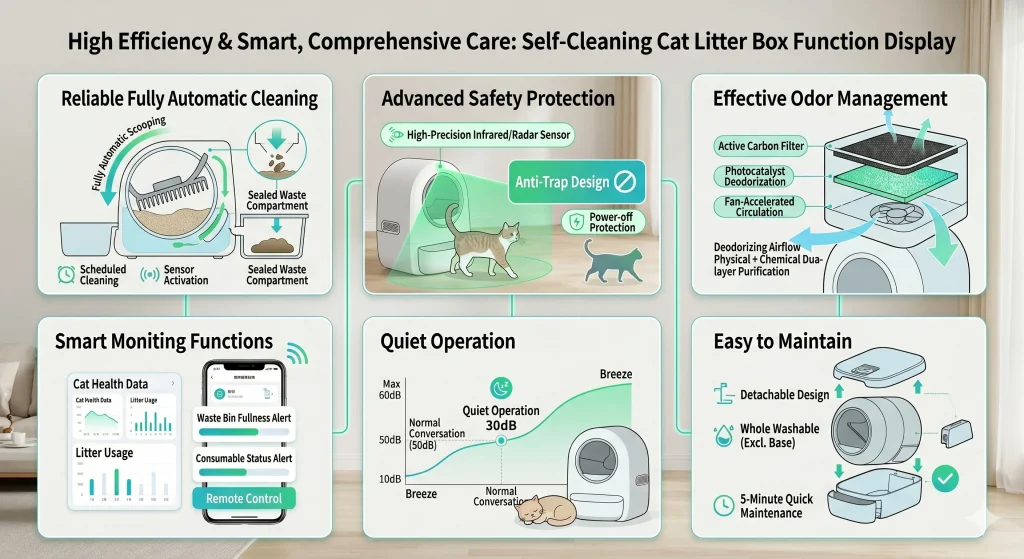
Many buyers now look for solutions that combine:
- Reliable automatic cleaning
- Advanced safety protection
- Effective odor management
- Smart monitoring capabilities
- Quiet operation
- Easy maintenance
The category has evolved from a single-purpose appliance into a more comprehensive pet care solution.
How the Category Has Evolved
The development of the self-cleaning litter box market becomes easier to understand when comparing today’s products with earlier generations.
| Feature | Traditional Litter Box | Early Automatic Models | Modern Smart Litter Boxes |
| Cleaning Method | Manual scooping | Basic automation | Fully automated operation |
| Odor Control | Litter-dependent | Limited filtration | Advanced odor management |
| Safety Protection | User-managed | Basic sensors | Multi-layer safety systems |
| Monitoring | None | Minimal | App-connected insights |
| Maintenance | Frequent cleaning | Moderate effort | Simplified maintenance |
| User Experience | Functional | Convenience-focused | Smart ecosystem integration |
The most significant change is not automation itself.
It is the combination of automation, hygiene, safety, and connectivity within a single product category.
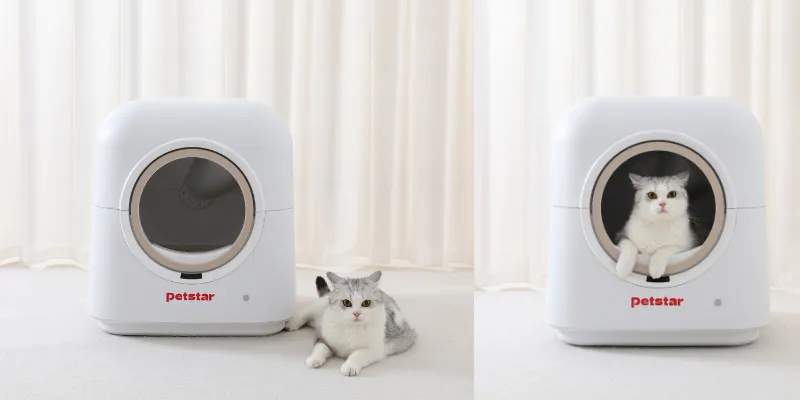
Modern smart litter boxes are designed to address multiple consumer pain points simultaneously, which helps explain why the category continues to attract growing interest across the pet industry.
Why Consumer Interest Continues to Increase
The self-cleaning litter box market is benefiting from several long-term trends that extend beyond the category itself.
Pet owners are spending more on products that improve convenience and simplify everyday care routines. At the same time, connected home technology has become increasingly common, creating greater acceptance of automated solutions across multiple aspects of daily life.
Self-cleaning litter boxes sit at the intersection of these trends.
Convenience Still Matters
Litter box maintenance is one of the most repetitive aspects of cat ownership.
Although daily scooping may only require a few minutes, it remains a task that must be performed consistently to maintain cleanliness and reduce unpleasant odors.
A self-cleaning litter box helps reduce that ongoing workload by automating routine cleaning cycles and maintaining a more consistent litter environment throughout the day.
The benefits often become even more noticeable in multi-cat households, where usage frequency is naturally higher.
As household demands increase, the value of automation becomes easier for consumers to recognize.
Smart Home Adoption Is Expanding
Another factor contributing to category momentum is the widespread adoption of connected home technology.
Consumers have become increasingly comfortable using products such as:
- Robot vacuum cleaners
- Smart security systems
- Automatic pet feeders
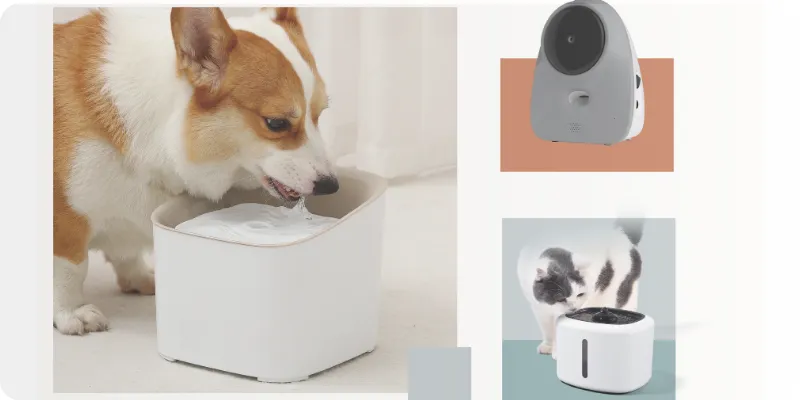
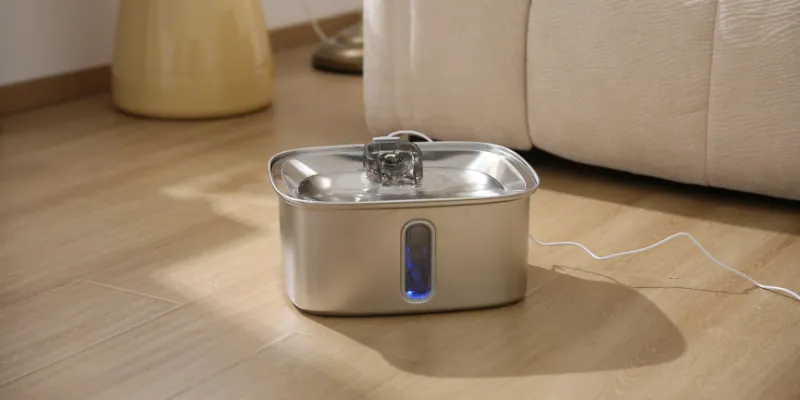
- Smart pet water fountains
- Connected household appliances
As a result, a smart litter box often feels like a logical extension of an existing automated lifestyle rather than a completely new purchasing category.
For many consumers, the question is no longer whether automation belongs in pet care.
Instead, it is how much value a connected pet care system can provide.
Pet Humanization Continues to Shape Purchasing Behavior
Across global markets, pet owners increasingly view their pets as family members.
This shift continues to influence purchasing decisions throughout the pet industry.
Consumers are often willing to invest in products that support cleanliness, convenience, and overall pet well-being. While practical benefits remain important, emotional considerations frequently play an equally significant role.
This combination of functional value and emotional appeal helps explain why the self-cleaning litter box market continues to attract attention from both consumers and businesses.
The category addresses everyday challenges while aligning with broader trends in modern pet ownership—a combination that few pet product categories achieve as effectively.
Is the Self-Cleaning Litter Box Market Becoming Saturated?
As more brands enter the category, one question continues to surface:
Has the self-cleaning litter box market become too crowded for new sellers?
At first glance, the answer may appear to be yes.
A growing number of automatic cat litter box products are now available across Amazon, independent e-commerce stores, pet specialty retailers, and major online marketplaces. Competition has undoubtedly intensified compared with five years ago.
However, increased competition does not necessarily indicate market saturation.
In many product categories, rising competition is often a sign that demand is expanding and attracting new investment. The more important question is whether meaningful opportunities still exist for brands that can offer differentiated products, stronger branding, or a better customer experience.
For the self-cleaning litter box market, the answer remains encouraging.
Consumer Awareness Is Still Evolving
One reason the category continues to offer growth potential is that consumer awareness remains far from universal.
Many pet owners have heard of automatic cat litter boxes, but a significant percentage have never used one. Others may still be researching available options, comparing features, or waiting for products that better align with their expectations and budgets.
This creates a very different environment from mature product categories where nearly every consumer already owns a comparable solution.
As awareness increases, the addressable customer base naturally expands.
For brands entering the market today, the opportunity is not limited to taking customers away from competitors. In many cases, it involves introducing entirely new consumers to the category.
That distinction is important.
Markets driven solely by replacement purchases tend to grow more slowly. Categories that continue attracting first-time buyers often provide more room for long-term expansion.
Premiumization Is Creating New Opportunities
Another reason the category remains attractive is the ongoing shift toward premium pet products.
Modern consumers increasingly evaluate pet products in the same way they evaluate home appliances, electronics, and lifestyle products. Price remains important, but it is no longer the only purchasing factor.
Many buyers actively seek products that offer:
- Better safety systems
- Improved odor management
- Quieter operation
- More reliable performance
- Enhanced aesthetics
- Smart connectivity
As a result, premium and mid-premium products often compete on overall value rather than simply on price.
For brands, this creates opportunities to differentiate through design, technology, user experience, and brand positioning rather than participating in a race to the bottom.
Why Retailers and E-Commerce Sellers Are Paying Attention
From a commercial perspective, the self-cleaning litter box market offers several characteristics that make it attractive for both online and offline sales channels.
Higher Average Selling Prices
Unlike many traditional pet accessories, automatic cat litter boxes typically occupy a higher price tier.
This can provide several advantages:
- Higher revenue per transaction
- Greater profit potential
- Increased average order value
- More opportunities for accessory sales
For e-commerce businesses, this can have a meaningful impact on overall store performance.
Many sellers also expand revenue opportunities through complementary products such as:
- Cat litter
- Waste bags
- Replacement components
- Cleaning accessories
- Other smart pet products
Rather than functioning as a standalone purchase, a smart litter box can become part of a larger product ecosystem.
Strong Content and Search Potential
Few pet product categories generate as many educational questions as self-cleaning litter boxes.
Consumers frequently search for information related to:
- Self-cleaning litter box reviews
- Automatic cat litter box comparisons
- Smart litter box safety
- Odor control solutions
- Multi-cat household recommendations
- Litter box maintenance
This creates valuable opportunities for brands investing in SEO, content marketing, and GEO strategies.
Unlike impulse-purchase products, self-cleaning litter boxes often involve a longer buying journey. Consumers tend to research extensively before making a decision.
Brands that establish authority through educational content can benefit from consistent organic traffic and stronger buyer trust over time.
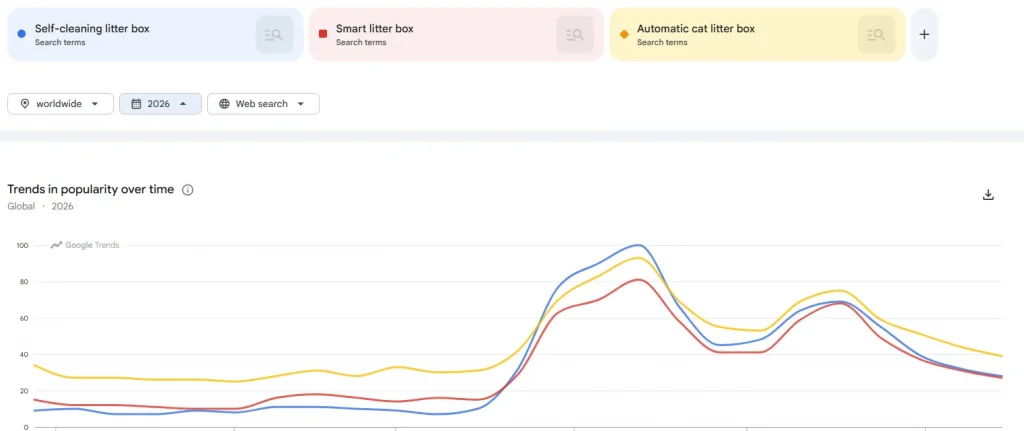
Search Demand Continues to Support Category Visibility
Another reason many businesses remain optimistic about the category is the continued visibility of relevant search terms.
Keywords associated with the self-cleaning litter box market consistently attract interest from consumers actively researching solutions.
Examples include:
- Self-cleaning litter box
- Automatic cat litter box
- Smart litter box
- Best self-cleaning litter box
- Self-cleaning litter box for multiple cats
- Self-cleaning litter box reviews
What makes these keywords particularly valuable is the purchase intent behind them.
Unlike purely informational searches, many users researching these terms are already evaluating products and moving closer to a buying decision.
For brands with strong SEO strategies, this can create a steady pipeline of highly qualified traffic.
Why OEM and Private Label Opportunities Continue to Expand
The growing visibility of the category is creating opportunities not only for retailers and sellers, but also for emerging brands.
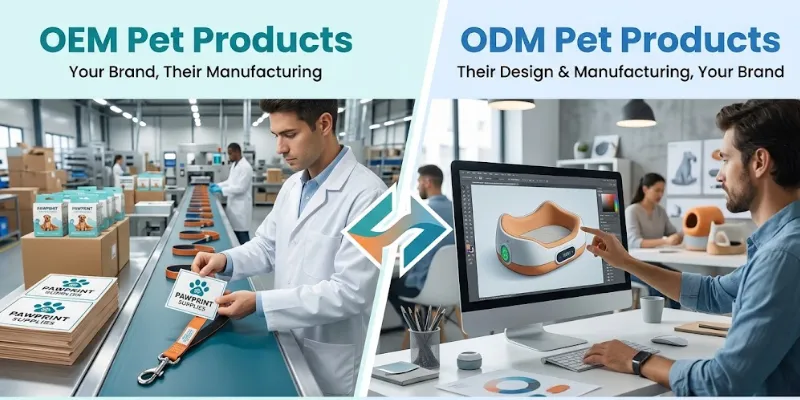
Many businesses entering the self-cleaning litter box market are choosing OEM or ODM manufacturing models rather than developing products entirely from scratch.
There are several reasons for this approach.
Faster Time to Market
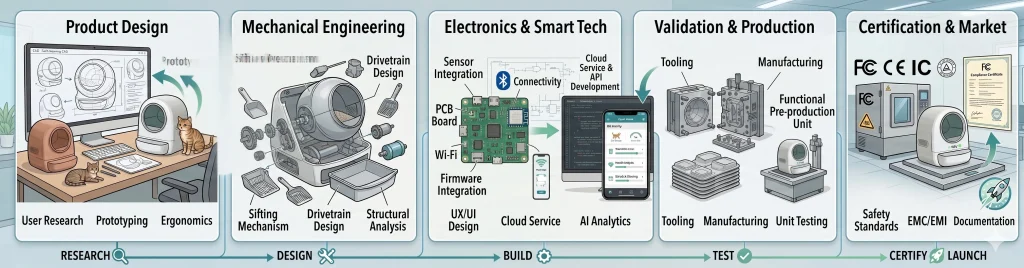
Developing a smart litter box independently can require substantial investment in:
- Product design
- Mechanical engineering
- Electronics development
- Software integration
- Tooling and production validation
- Certification processes
For many brands, partnering with an experienced manufacturer offers a more practical path to market.
Rather than spending years developing a product from the ground up, businesses can focus on branding, sales, and customer acquisition while leveraging existing manufacturing expertise.
Greater Product Differentiation
The perception that OEM products must be identical is increasingly outdated.
Today’s manufacturing partners often support extensive customization options, including:
- Product appearance
- Color schemes
- Branding elements
- Packaging design
- Mobile applications
- Feature configurations
This flexibility allows brands to create products that reflect their market positioning while reducing development complexity.
As competition increases, differentiation becomes more important than ever.
The ability to customize and refine products is one reason OEM and ODM partnerships continue to attract growing interest throughout the pet technology sector.
Reduced Development Risk
Smart pet products combine hardware, electronics, software, and manufacturing expertise.
Each element introduces potential challenges.
Working with an established self-cleaning litter box manufacturer can help reduce some of these risks by leveraging proven production systems, testing procedures, and quality control standards.
For new entrants, this often provides a more predictable path from concept to commercial launch.
For experienced brands, it can improve efficiency while allowing internal resources to remain focused on growth and customer acquisition.
Ultimately, the self-cleaning litter box market is not simply creating opportunities for sellers. It is creating opportunities throughout the entire supply chain—from manufacturers and private-label brands to retailers, distributors, and direct-to-consumer businesses.
The key question is no longer whether demand exists.
The question is which companies are best positioned to capture it.
What Features Will Matter Most in 2026?
Not all self-cleaning litter boxes perform equally in the marketplace.
As consumer awareness increases and competition becomes more sophisticated, purchasing decisions are increasingly influenced by product quality, reliability, and overall user experience rather than automation alone.
For brands evaluating product opportunities within the self-cleaning litter box market, understanding what consumers value most is becoming increasingly important.
Several features are emerging as key differentiators in 2026.
Safety Remains the First Priority
No feature matters more than safety.
As automatic cat litter boxes become more widely adopted, consumers are paying closer attention to how products operate around their pets.
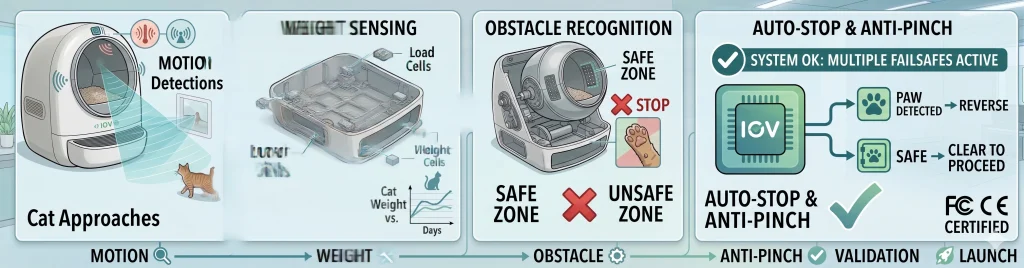
A modern smart litter box is expected to provide multiple layers of protection, including:
- Motion detection
- Weight sensing
- Obstacle recognition
- Automatic stop functions
- Anti-pinch protection
Safety concerns can significantly influence purchase decisions, product reviews, and long-term brand reputation.
For brands entering the category, selecting products with robust safety systems is often one of the most important decisions they can make.
Odor Control Continues to Drive Consumer Satisfaction
One of the primary reasons cat owners upgrade from traditional litter boxes is the desire for a cleaner-smelling home.
As a result, odor management remains one of the most influential product features in the category.
Consumers increasingly compare products based on their ability to:
- Reduce odor buildup
- Isolate waste effectively
- Maintain freshness between cleanings
- Minimize direct exposure to waste
Products that successfully address these concerns often generate stronger customer satisfaction and higher repeat purchase potential.
Smart Features Are Becoming Expected
Several years ago, app connectivity was viewed as a premium feature.
Today, many consumers expect some level of smart functionality from a modern automatic cat litter box.
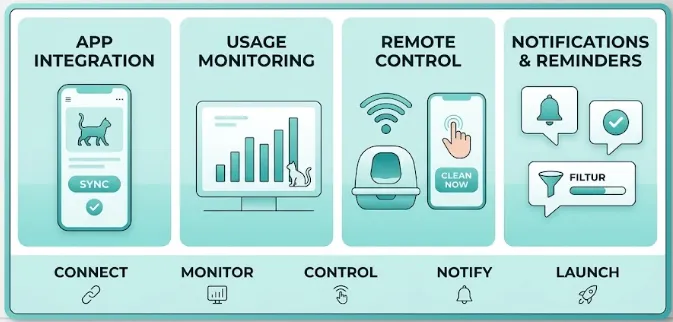
Depending on the product, this may include:
- Mobile app integration
- Usage monitoring
- Cleaning notifications
- Remote control functions
- Maintenance reminders
While not every customer actively uses advanced features, smart functionality often increases perceived value and helps products stand out in a competitive market.
Easy Maintenance Still Matters
Automation reduces daily cleaning, but it does not eliminate maintenance entirely.
Consumers continue to favor products that are easy to disassemble, clean, and maintain over time.
Features such as:
- Modular construction
- Washable components
- Tool-free assembly
- Accessible waste compartments
can have a significant impact on the overall ownership experience.
In many cases, ease of maintenance becomes one of the most frequently mentioned factors in customer reviews.
How to Choose the Right Self-Cleaning Litter Box Manufacturer
For brands pursuing OEM or ODM opportunities, selecting the right manufacturing partner is just as important as selecting the right product.
The self-cleaning litter box category combines multiple disciplines, including:
- Mechanical engineering
- Electronics manufacturing
- Injection molding
- Software development
- Quality control
- Regulatory compliance
Not every supplier possesses the capabilities required to support long-term growth.
When evaluating a self-cleaning litter box manufacturer, businesses should consider several key factors.
Product Development Capability
Consumer expectations continue to evolve.
Manufacturers with strong research and development capabilities are often better positioned to support future product improvements, feature upgrades, and market-specific customization requirements.
A supplier should be more than a production facility.
Ideally, they should function as a development partner.
Manufacturing Capacity and Quality Control
As order volumes grow, production consistency becomes increasingly important.
Brands should evaluate:
- Manufacturing capacity
- Quality management systems
- Testing procedures
- Production lead times
- Supply chain stability
Reliable execution is often one of the most overlooked factors in long-term business success.
OEM and ODM Flexibility
Different brands require different levels of customization.
Some may only require private-label branding, while others may seek extensive modifications to product appearance, functionality, packaging, or software.
Manufacturers capable of supporting multiple customization levels can provide greater flexibility as a brand expands.
Experience in Smart Pet Products
The rapid growth of smart pet products has created demand for increasingly sophisticated solutions.
Manufacturers with experience in products such as:
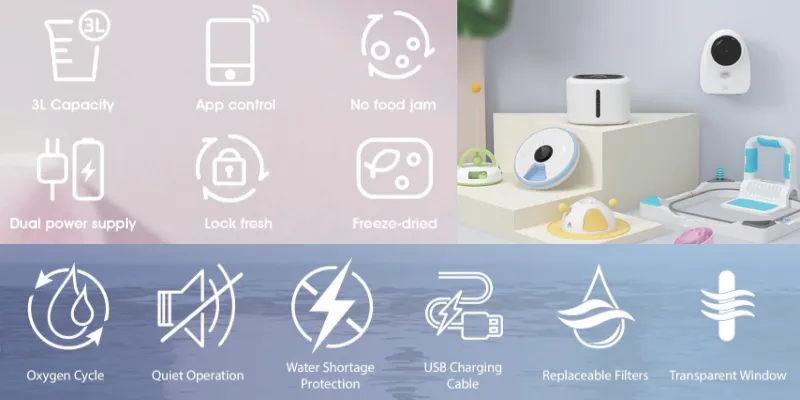
- Smart feeders
- Pet water fountains
- Automatic cat litter boxes
- Pet monitoring devices
often possess valuable expertise that can support faster product development and smoother commercialization.

Who Should Consider Entering the Self-Cleaning Litter Box Market?
The category may be particularly attractive for:
- Pet brands expanding into smart pet products
- Online retailers seeking higher-value product categories
- Amazon and marketplace sellers
- Pet distributors and wholesalers
- Consumer electronics brands entering the pet sector
- Retail chains expanding premium pet care offerings
The opportunity may be especially compelling for businesses already selling complementary products such as smart feeders, water fountains, pet cameras, or connected pet accessories.
These categories frequently serve the same customer demographic, creating opportunities for cross-selling and ecosystem-based product strategies.
Final Verdict: Is the Self-Cleaning Litter Box Market Worth Selling in 2026?
The self-cleaning litter box market has evolved considerably over the past several years.
What began as a niche convenience category has become an increasingly important segment within the broader smart pet products industry. Consumer expectations continue to shift toward automation, cleanliness, convenience, and connected pet care solutions.
While competition has increased, opportunities remain for brands that can deliver reliable products, strong customer experiences, and clear market differentiation.
For retailers, distributors, and e-commerce sellers, self-cleaning litter boxes offer the potential for higher average selling prices, strong consumer interest, and long-term category relevance.
For emerging brands, the category provides opportunities to establish a presence within one of the most visible segments of the smart pet products market.
Success, however, depends on more than simply entering the category.
It depends on selecting the right product strategy, understanding consumer expectations, and working with manufacturing partners capable of supporting long-term growth.
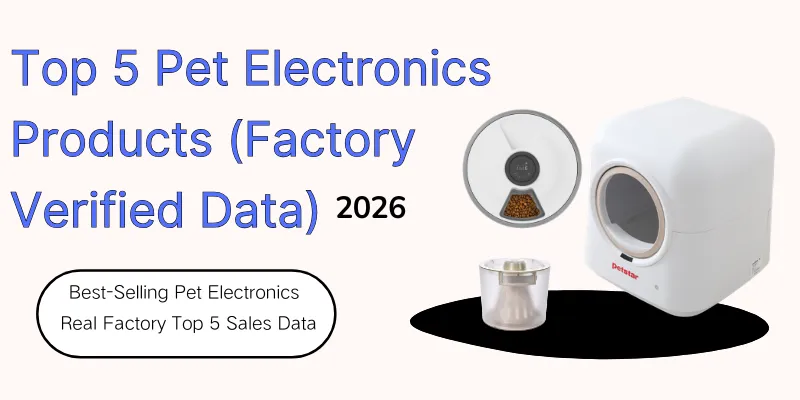
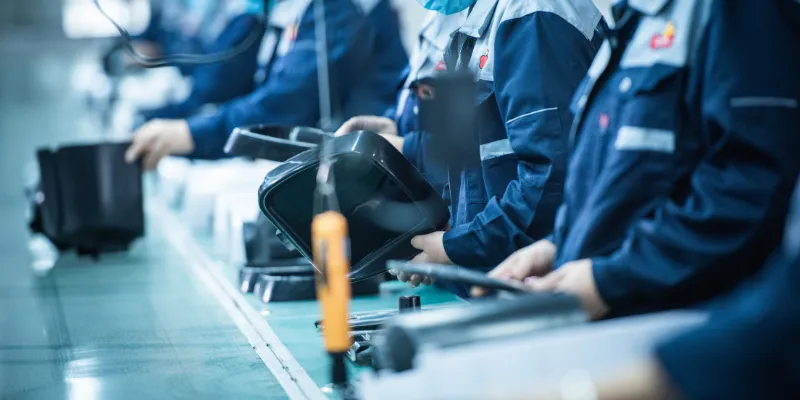
As a professional pet electronics manufacturer with extensive experience in OEM and ODM development, we help global brands bring innovative smart pet products to market—from automatic cat litter boxes and smart feeders to connected pet care solutions designed for modern consumers.
Whether you are launching a new product line or expanding an existing portfolio, choosing the right manufacturing partner can play a critical role in your long-term success.
Looking for OEM or ODM self-cleaning litter box solutions? Contact our team today to discuss your project, request a quotation, or explore our latest smart pet product catalog.