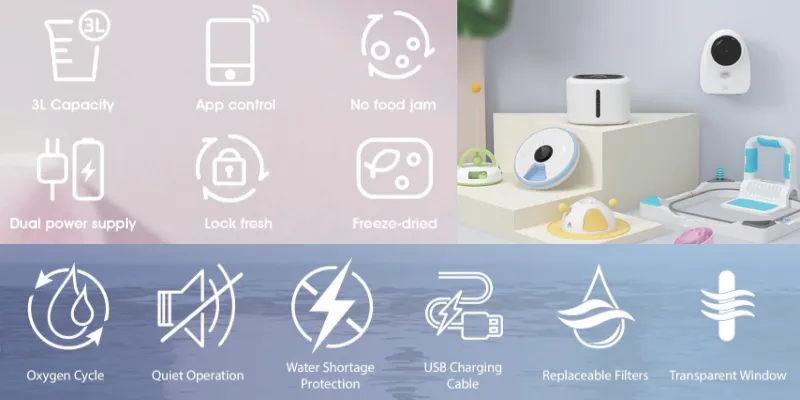
The smart pet industry keeps evolving, but one thing hasn’t changed: distributors are still looking for products that sell.
That sounds obvious. Yet many suppliers continue to focus on adding more features, more technology, and more complexity, assuming that buyers want the most advanced product on the market.
But here’s the thing.
Most pet electronics distributors aren’t searching for the longest feature list. They’re searching for products that solve real customer problems, generate repeat orders, and minimize risk.
In 2026, successful smart pet products aren’t necessarily the ones with the most technology. They’re often the ones that combine practical functionality, reliable quality, and strong retail appeal.
If you’re sourcing from a pet electronics manufacturer or evaluating your next product line, these are the smart pet electronics features distributors are paying the closest attention to.
Why Smart Pet Electronics Continue to Grow
Pet ownership continues to rise globally, and this shift is reshaping demand for smarter and more connected pet care products. According to industry research from sources such as Grand View Research and Fortune Business Insights, the smart pet care market is expected to maintain double-digit growth rates of around 20% CAGR over the coming years, driven by increasing IoT adoption and the ongoing humanization of pets.
At the same time, overall pet industry spending continues to expand. In the U.S. alone, total pet-related expenditure has surpassed $140 billion in recent years (APPA data), with a growing share allocated to health-focused and technology-enabled pet solutions.
Pet owners are no longer satisfied with basic feeding or cleaning tools. They expect automation, convenience, and real-time control. Feeding, hydration, cleaning, monitoring, and entertainment are all areas where smart technology is becoming a natural extension of modern pet care.
As a result, smart pet products distributors are expanding their portfolios to include connected and automated devices that match this shift in consumer behavior, especially in North America and Europe where adoption is strongest.
The opportunity is significant. But the challenge is equally clear—many distributors are now prioritizing long-term demand stability over short-term “feature-driven hype.”
That’s why the focus has gradually shifted away from “cool technology” and toward functional reliability that consumers actually use every day.
#1 Reliable Automation That Solves Everyday Problems
The first feature distributors evaluate is simple.
Does the product make pet care easier?
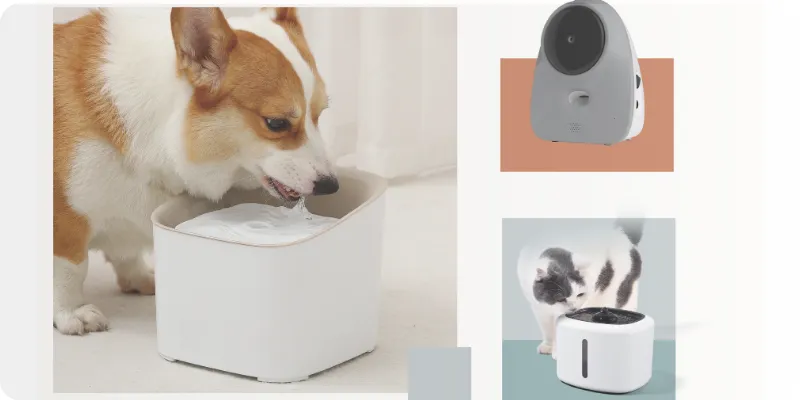
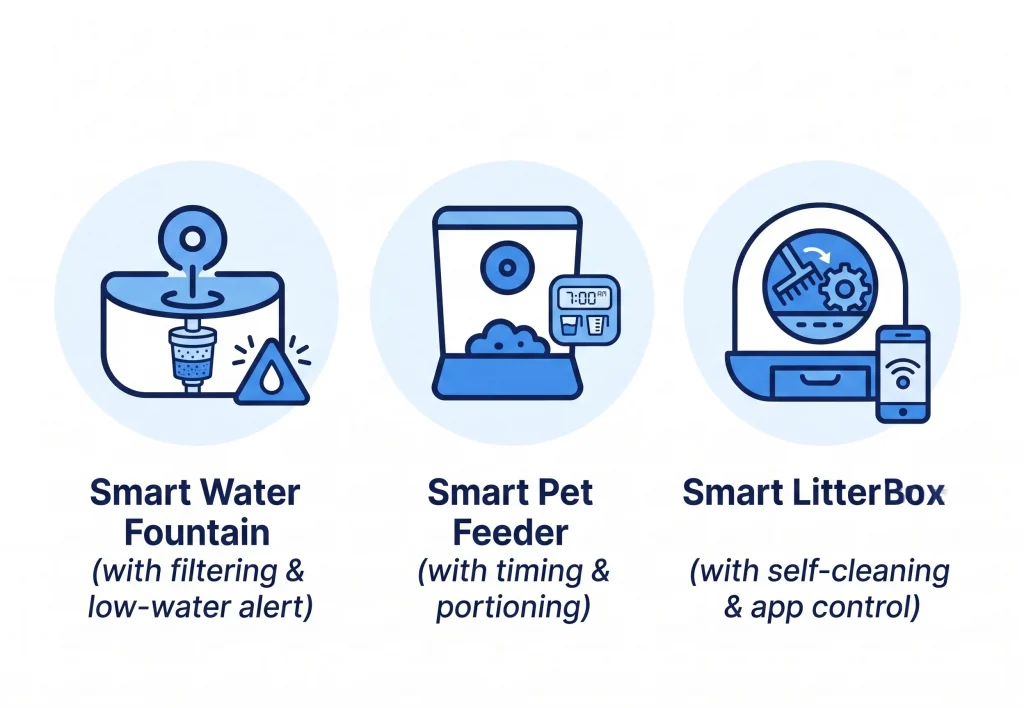
For smart water fountains, that may mean automatic filtration and low-water alerts.
For smart pet feeders, it could be scheduled feeding and portion control.
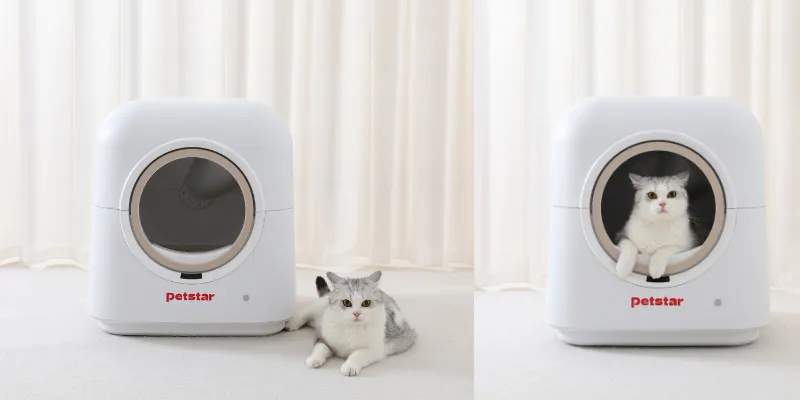
For smart litter boxes, self-cleaning functionality often becomes the key selling point.
The products gaining traction in 2026 aren’t necessarily the most complicated. They’re the ones that remove friction from daily routines.
Buyers want products that pet owners can understand and use immediately.
#2 Product Stability and Long-Term Reliability
Nothing damages a product line faster than excessive returns.
Distributors know this.
Before looking at premium features, many buyers ask questions about product reliability:
- How long does the motor last?
- How stable is the electronic system?
- What failure rate can be expected?
- Has the product completed durability testing?
For categories such as smart water fountains and smart pet feeders, reliability often matters more than advanced functionality.
A product that works consistently for years will generally outperform a feature-packed product with frequent complaints.
#3 Easy Maintenance and Cleaning
Let’s be honest.
Pet owners don’t want another complicated device to maintain.
Distributors understand that products with easier cleaning procedures often receive better reviews and generate fewer support requests.
Some examples include:
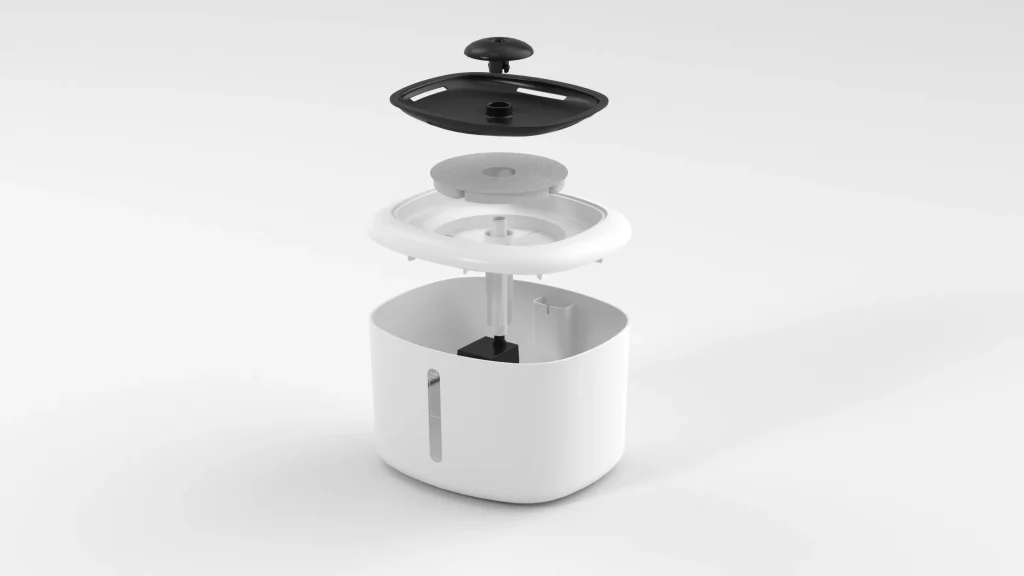
- Removable water fountain components
- Dishwasher-safe parts
- Tool-free assembly
- Accessible cleaning areas
- Replaceable filter systems
These practical pet electronics features may not look exciting on a product page, but they can have a significant impact on customer satisfaction.
#4 Health and Wellness Functions
Pet health remains one of the strongest drivers behind smart pet product purchases.
Many distributors actively look for products that support healthier habits rather than simply adding technology for its own sake.
Popular health-oriented features include:
- Controlled feeding portions
- Hydration monitoring
- Fresh water circulation
- Feeding schedule management
- Behavioral enrichment through interactive toys
This trend is especially noticeable in smart water fountains and smart pet feeders, which continue to be among the strongest-performing categories in many markets.
#5 Smart Features That Add Real Value
Not every smart feature creates value.
Distributors have become more selective.
Instead of asking, “What can this product do?”
They’re asking, “Will customers actually use it?”
The most attractive features in 2026 tend to include:
- Feeding schedules
- Consumption tracking
- Low-food reminders
- Low-water alerts
- Safety protection systems
- Simple mobile notifications
The goal is functionality, not feature overload.
This shift reflects a larger trend across consumer electronics, where ease of use often beats complexity.
#6 Attractive Design and Shelf Appeal
A product still needs to sell before it can solve a problem.
Design plays a major role in distributor purchasing decisions.
Products that combine modern aesthetics with practical functionality typically perform better across:
- Pet specialty retailers
- Supermarkets
- E-commerce platforms
- Private label brands
Clean designs, neutral colors, compact footprints, and premium materials continue to attract attention from both buyers and end users.
For smart pet products distributors, shelf appeal remains an important factor in retail success.
#7 Strong Compliance and Product Safety
Compliance concerns are growing.
Major distributors want confidence that products meet market requirements before placing large orders.
Common requirements may include:
- CE compliance
- FCC compliance
- RoHS compliance
- Material safety testing
- Electrical safety verification
Working with an experienced pet electronics manufacturer can help reduce compliance risks and simplify market entry.
For many buyers, compliance isn’t just a requirement. It’s a form of risk management.
#8 OEM and Private Label Flexibility
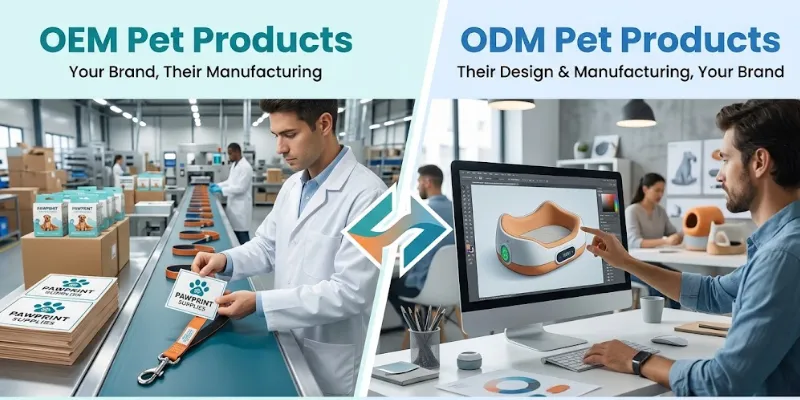
Private label opportunities continue to expand across the pet industry.
Distributors increasingly want products that can be adapted to fit their own brand strategies.
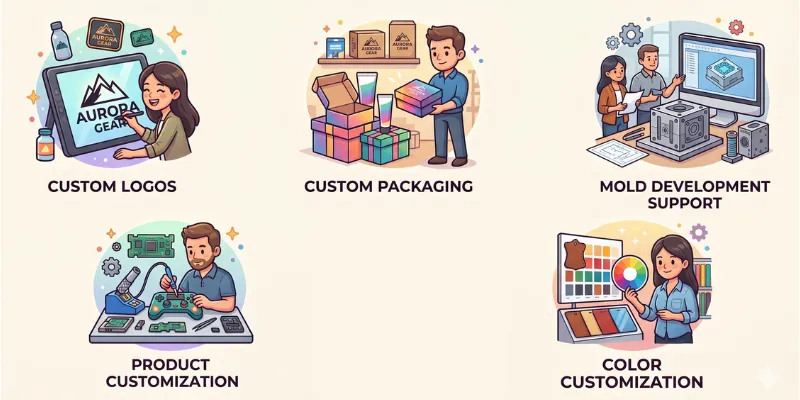
Popular OEM requirements include:
- Custom logos
- Custom packaging
- Product customization
- Color customization
- Mold development support
A capable OEM smart pet products supplier allows buyers to build differentiated product lines without investing heavily in product development from the ground up.
Red Flags Distributors Should Avoid When Sourcing Smart Pet Electronics
Not every supplier is prepared for long-term cooperation.
Experienced buyers often watch for warning signs before making purchasing decisions.
Some of the most common red flags include:
Inconsistent Product Quality
Sample quality looks excellent, but production quality varies.
This can create serious issues once products reach the market.
Weak Testing Procedures
Products should undergo mechanical, electrical, and durability testing before mass production.
Without proper testing, failure rates can increase significantly.
Limited Customization Capabilities
Many suppliers advertise OEM services but offer only basic logo printing.
Distributors increasingly expect deeper customization options.
Poor Documentation
Missing compliance reports, certifications, and technical documentation often create unnecessary risks.
No Long-Term Product Development Strategy
The pet electronics industry moves quickly.
Suppliers that cannot support future product updates may struggle to remain competitive.
What Features Do Pet Electronics Distributors Look For?
The answer is surprisingly straightforward.
Most distributors prioritize:
- Reliability
- Ease of use
- Health-related functionality
- Compliance readiness
- OEM flexibility
- Strong product design
- Consistent manufacturing quality
The products that succeed are usually the ones that balance all of these factors rather than excelling in only one area.
What Makes a Smart Pet Product Successful in Retail?
Successful products typically share three characteristics:
They solve a real problem.
They are easy to understand.
They deliver consistent performance.
Whether it’s a smart water fountain, automatic feeder, smart litter box, or interactive toy, the strongest products make pet ownership simpler rather than more complicated.
How Do Distributors Choose a Pet Electronics Manufacturer?
Most major buyers evaluate suppliers using several criteria:
- Manufacturing experience
- Product quality systems
- Certification capabilities
- OEM support
- Product innovation
- Production capacity
- Industry reputation
A supplier’s ability to support long-term growth often matters just as much as the product itself.
Final Thoughts
The smart pet industry continues to create new opportunities for distributors, retailers, and private label brands.
Yet the biggest shift in 2026 isn’t about adding more technology.
It’s about adding the right technology.
Distributors are prioritizing smart pet electronics features that improve convenience, support pet wellness, reduce customer complaints, and create long-term product value.
At the end of the day, functionality wins.
When those functions are supported by reliable manufacturing, strong compliance standards, and OEM flexibility, distributors gain something even more valuable: confidence in their next product launch.
If you’re looking for a trusted pet electronics manufacturer specializing in smart water fountains, smart pet feeders, smart litter boxes, interactive pet toys, and other OEM smart pet products, contact us today to discuss your project, get a quote, or submit an inquiry.