SUMMARY
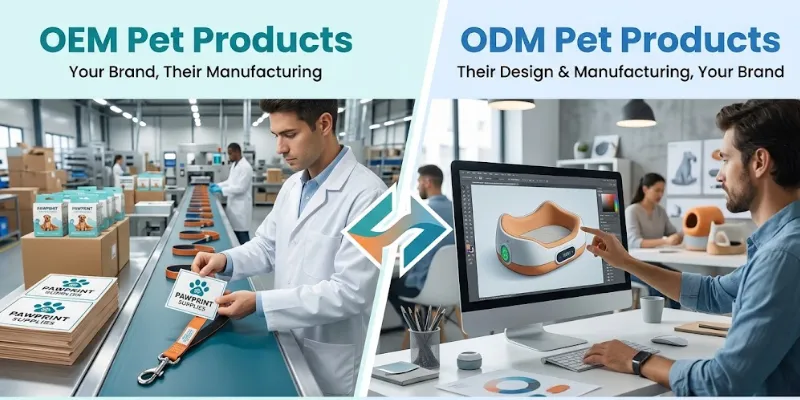
Choosing between OEM and ODM can significantly impact your product costs, speed to market, brand differentiation, and long-term growth strategy. This guide explains the key differences between OEM and ODM pet products, compares both manufacturing models across critical sourcing factors, and helps pet brands, wholesalers, distributors, and retailers determine the right approach for smart pet feeders, pet water fountains, self-cleaning litter boxes, and other pet electronics.
When a pet brand starts sourcing a new product, one question usually appears early in the conversation:
Should we choose OEM or ODM?
Most buyers already understand the basic definitions. OEM means a product is manufactured according to the buyer’s specifications. ODM means the manufacturer already has a product design that can be customized and branded.
The challenge is not understanding the terms.
The challenge is understanding which model makes sense for a specific product, budget, timeline, and business goal.
For pet brands entering the growing pet electronics sector, the decision can affect everything from product exclusivity and intellectual property ownership to MOQ requirements, compliance costs, and future scalability.
This guide explains the practical differences between OEM vs ODM pet products, helping buyers make informed sourcing decisions for categories such as smart pet feeders, pet water fountains, and self-cleaning litter boxes.
What Do OEM and ODM Mean in Pet Product Manufacturing?
Before comparing the two models, it helps to define them clearly.
OEM (Original Equipment Manufacturer)
In an OEM project, the buyer owns the product concept.
The brand provides product requirements, technical specifications, desired features, materials, dimensions, performance standards, and customization requirements. The manufacturer develops and produces the product according to those specifications.
The buyer generally owns the design and intellectual property associated with the product.
OEM is commonly used when a brand wants a unique product that competitors cannot easily source from the same factory.
ODM (Original Design Manufacturer)
In an ODM project, the manufacturer already owns the product design.
The factory has completed development, testing, tooling, and production preparation before the buyer enters the project. The buyer selects an existing product and customizes elements such as branding, packaging, colors, or certain features.
The manufacturer retains ownership of the core product design.
ODM is often chosen when speed, lower development costs, and faster market entry are priorities.
The Most Important Difference
Many sourcing guides focus on customization levels.
The more important distinction is ownership.
OEM is primarily about design ownership. ODM is primarily about design access.
Everything else—including development cost, lead time, MOQ, and exclusivity—usually follows from that difference.

The Core Question: Who Owns the Product?
When evaluating OEM vs ODM manufacturing, ownership should be the first consideration.
If your company owns the design:
- You have greater control over future production.
- The product is easier to differentiate.
- Competitors cannot simply purchase the same design from the same manufacturer.
- You can potentially move production to another factory later.
If the manufacturer owns the design:
- Development costs are usually lower.
- Lead times are shorter.
- The same product platform may be offered to multiple customers.
- Long-term exclusivity may be limited unless negotiated separately.
For many established brands, ownership becomes increasingly important as product sales grow.
A product that starts as a market test may later become a core revenue driver. At that point, control over the design can become a strategic advantage.
OEM vs ODM Pet Products: A Practical Comparison
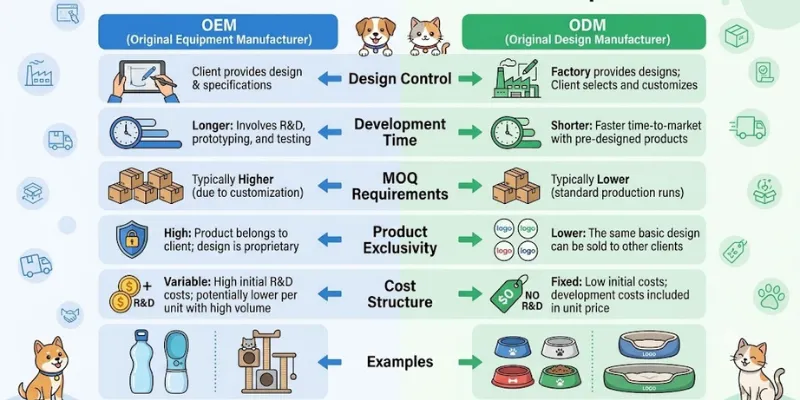
Design Control
OEM
The buyer controls product structure, features, materials, performance specifications, and overall development direction.
ODM
Customization is usually limited to the existing product platform.
Branding, packaging, colors, and selected features can often be modified, but the underlying structure remains the manufacturer’s property.
Development Time
OEM
Development begins from scratch.
Engineering reviews, prototyping, tooling, testing, revisions, and validation all require time.
For complex pet electronics such as self-cleaning litter boxes or app-connected smart feeders, development cycles can be substantial.
ODM
The product already exists.
Production can begin much faster because engineering work and tooling investment have already been completed.
For brands trying to launch quickly, ODM often provides a significant advantage.
MOQ Requirements
MOQ behavior differs between OEM and ODM projects.
With OEM development, new tooling, specialized components, customized packaging, and dedicated production resources may increase minimum order requirements.
ODM products often benefit from shared production platforms.
Because tooling costs have already been absorbed, manufacturers can sometimes offer lower MOQ options for new customers.
That makes ODM particularly attractive for startups, Amazon sellers, and brands testing new categories.
Product Exclusivity
This is where OEM usually stands out.
A properly structured OEM project can provide a product that is exclusive to your brand.
ODM products are typically non-exclusive unless a separate agreement is negotiated.
If differentiation is central to your growth strategy, OEM may offer stronger long-term protection.
Cost Structure
One of the biggest misconceptions surrounding OEM vs ODM pet electronics is that ODM is always cheaper.
In reality, the answer depends on the product lifecycle.
ODM often requires lower upfront investment because development costs have already been completed.
OEM may require higher initial investment but can create long-term value through stronger differentiation and ownership.
The right question is not simply “Which is cheaper?”
The better question is:
Which model supports your business objectives over the next three to five years?
How OEM and ODM Apply to Pet Electronics
The differences become easier to understand when viewed through actual product categories.
Smart Pet Feeders
Smart feeders are one of the most popular categories in the pet electronics industry.
For brands entering this market, ODM can provide a fast path to launch.
An existing feeder platform may already include:
- Mobile app connectivity
- Scheduled feeding functions
- Portion control features
- Voice recording capabilities
The brand can customize packaging, branding, and selected product details while reducing development risk.
OEM becomes more attractive when a company wants unique app functions, exclusive hardware design, proprietary software integration, or differentiated user experiences.
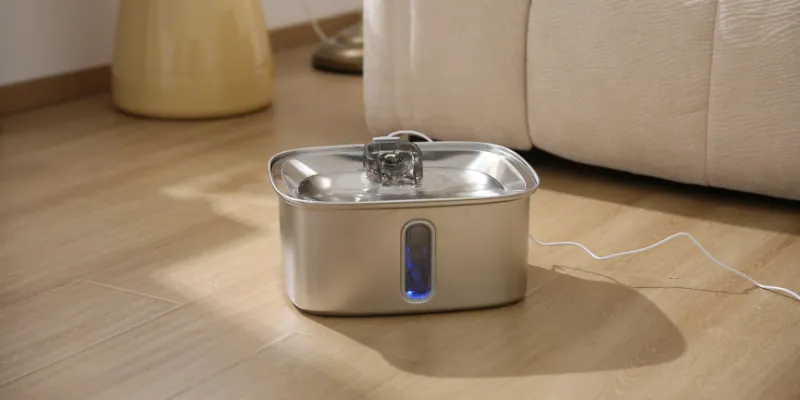
Pet Water Fountains
Water fountains often sit between OEM and ODM projects.
Many brands begin with ODM products because the core technology is already proven.
As sales grow, some companies move toward OEM development to improve filtration systems, optimize pump performance, enhance industrial design, or introduce proprietary features.
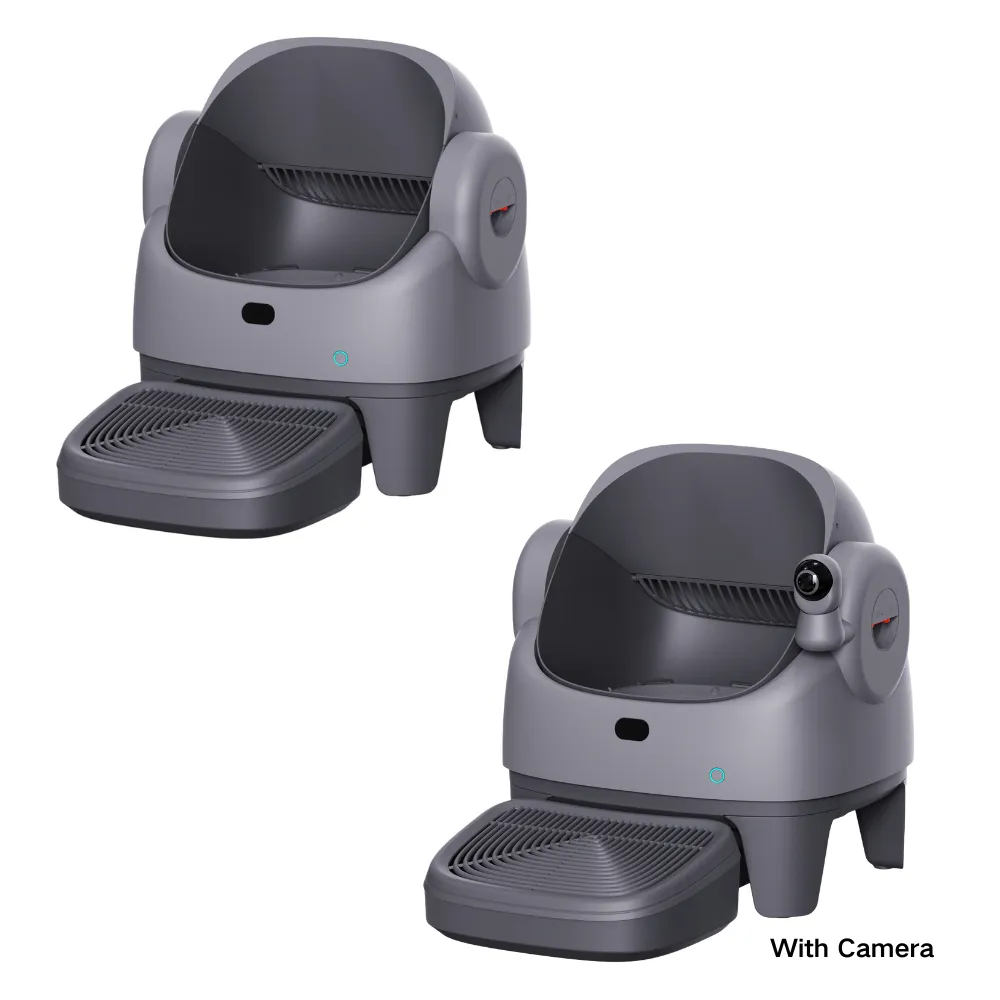
Self-Cleaning Litter Boxes
Self-cleaning litter boxes represent one of the most technically demanding categories in pet electronics.
These products involve sensors, motors, safety systems, software logic, and user interface considerations.
Because development complexity is higher, many brands choose from three approaches:
- Pure ODM
- Full OEM
- Hybrid development
The right approach depends on the desired level of differentiation and available development resources.
The Hybrid Model: Where Most Successful Projects End Up
Many sourcing discussions present OEM and ODM as two completely separate options.
Real-world projects are often more flexible.
A hybrid approach combines elements of both models.
For example:
A manufacturer may provide a proven smart feeder platform while the buyer customizes:
- Housing design
- Internal components
- Mobile app interface
- Packaging
- Feature sets
- Brand-specific functions
This approach can reduce development risk while still creating meaningful differentiation.
For many pet brands, hybrid development offers the most balanced solution between speed, investment, and exclusivity.
Compliance Considerations Buyers Often Overlook
Compliance requirements apply regardless of whether a project is OEM or ODM.
This is especially important for pet electronics entering markets such as:
- United States
- European Union
- United Kingdom
- Australia
Buyers should verify that product documentation aligns with the exact version being sold.
Even minor changes to components, batteries, plastics, coatings, electronics, or packaging may affect compliance requirements.
An experienced manufacturer supplier should be able to identify potential compliance issues early in the development process and provide supporting documentation where applicable.
Compliance should never be treated as an afterthought.
Addressing it early can prevent costly delays later.
How to Decide Between OEM and ODM
Most brands do not use a single manufacturing model for every product.
Instead, they make decisions product by product.
A few practical questions can help guide the decision.
Does the Product Need to Be Exclusive?
If exclusivity is essential, OEM usually provides stronger protection.
If branding an existing platform is acceptable, ODM may be sufficient.
How Quickly Do You Need to Launch?
ODM products typically reach the market faster.
OEM projects require more development time.
What Is Your Budget for Product Development?
ODM generally reduces upfront investment.
OEM may require additional development and tooling costs.
Are You Building a Long-Term Brand?
If long-term differentiation is important, design ownership deserves serious consideration.
Will You Need Future Product Customization?
Brands planning extensive feature expansion often benefit from OEM or hybrid development.
Which Model Is Better?
There is no universal answer.
ODM works well when speed, lower risk, and faster market validation are priorities.
OEM works well when ownership, exclusivity, and long-term differentiation matter most.
Many successful pet brands use both.
They may launch a category with an ODM product, validate market demand, and later transition top-performing products into OEM development.
The manufacturing model should support the product strategy—not the other way around.
Final Thoughts
The debate around OEM vs ODM pet products is not about finding a universally better option.
It is about finding the right option for a specific product, target market, and business objective.
For smart pet feeders, pet water fountains, self-cleaning litter boxes, and other connected pet electronics, the ideal manufacturing model often depends on your desired level of customization, ownership requirements, launch timeline, and growth plans.
As a professional pet electronics manufacturer, we support OEM, ODM, and hybrid development projects for global brands, distributors, wholesalers, and retailers. From private label programs and OEM/ODM customized services to bulk order production and scalable supply capacity, our team works closely with partners to develop products that align with both market demand and brand strategy.
Looking for a reliable pet electronics manufacturing partner? Contact us today to request a quote, discuss OEM/ODM opportunities, or receive our latest product catalog.