
SUMMARY
The cost of manufacturing smart pet products in China typically depends on product complexity, smart module integration, material selection, tooling structure, and certification requirements for target markets such as the US and EU. For categories like smart pet feeders, pet water fountains, and self-cleaning litter boxes, OEM production costs can vary widely depending on design ownership and customization depth. This guide breaks down real-world cost structures, key pricing drivers, and how global pet brands can better evaluate OEM/ODM manufacturing quotes to optimize both budget and product competitiveness.
Smart Pet Products Manufacturing Costs Are No Longer a Simple Price Tag
Ask any sourcing manager in 2026 what matters most in pet electronics, and the answer is rarely just “unit cost.”
It’s predictability.
Smart pet products are no longer basic hardware items. They combine mechanics, electronics, connectivity, and increasingly, app-based ecosystems. That complexity is exactly why smart pet product OEM pricing in China varies so significantly between suppliers.
Two products that look similar on paper can differ by 30–60% in cost structure. The reason is rarely margin—it is engineering depth.
Smart pet feeders, automatic water fountains, and self-cleaning litter boxes now sit at the intersection of IoT hardware and consumer appliance manufacturing. Each additional feature introduces a new cost layer, from PCB design to firmware integration and compliance testing.
Understanding these layers is the difference between “getting a quote” and actually controlling your sourcing strategy.
What Determines Smart Pet Product OEM Pricing?
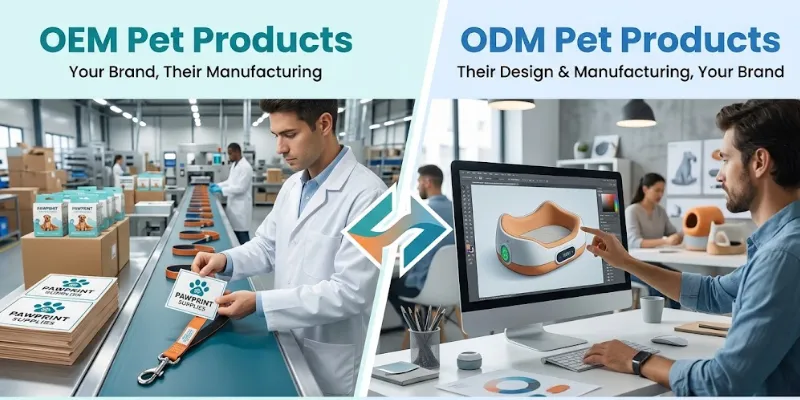
At its core, OEM vs ODM pet electronics pricing is driven by five structural components:
- Product design ownership
- Material and component selection
- Smart module complexity
- Tooling and mold investment
- Compliance requirements for export markets
OEM pricing is not just manufacturing cost. It is the total cost of translating a concept into a scalable, compliant product.
ODM pricing, on the other hand, reflects an existing architecture that has already absorbed most development risk.
The distinction matters because it directly impacts your entry cost, MOQ, and long-term flexibility.
Smart Pet Products Cost Breakdown (China OEM Manufacturing Reality)
While every project is different, most smart pet electronics follow a similar cost structure.
#1 Mold and Tooling Costs
For plastic-based products like feeders or fountains, tooling is often the first major cost.
Typical range:
- Simple smart feeder housing: $2,000 – $5,000
- Complex self-cleaning litter box structure: $6,000 – $15,000+
The complexity increases when multi-part assemblies or waterproof structures are involved.
Tooling is a one-time investment, but it heavily influences unit economics. Spread across higher MOQ, its impact on per-unit cost decreases significantly.
#2 Smart Components and Electronics
This is where smart pet products diverge from traditional pet supplies.
Core components usually include:
- PCB control board
- Wi-Fi or Bluetooth module
- Sensors (weight, infrared, motion)
- Motors or pumping systems
- Power management system
Estimated cost impact:
- Basic smart feeder electronics: $3 – $8/unit
- Advanced connected feeder systems: $8 – $18/unit
- Litter box motor + sensor system: $15 – $40/unit
This category alone can account for 30–45% of total product cost, depending on feature density.
#3 Raw Materials and Structural Parts
Materials still play a major role in pet tech manufacturing cost in China, especially for durability-focused products.
Common materials:
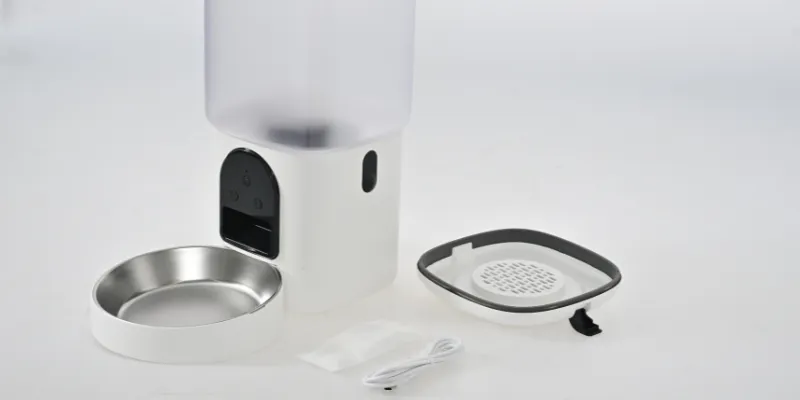
- ABS / PP plastics for housings
- Stainless steel food trays
- Silicone seals for waterproofing
- Glass or PET reservoirs for fountains
Typical material share:
- 25–40% of total unit cost
Even small changes—such as switching from ABS to PP or adjusting wall thickness—can create measurable cost differences at scale.
#4 Assembly and Labor Costs
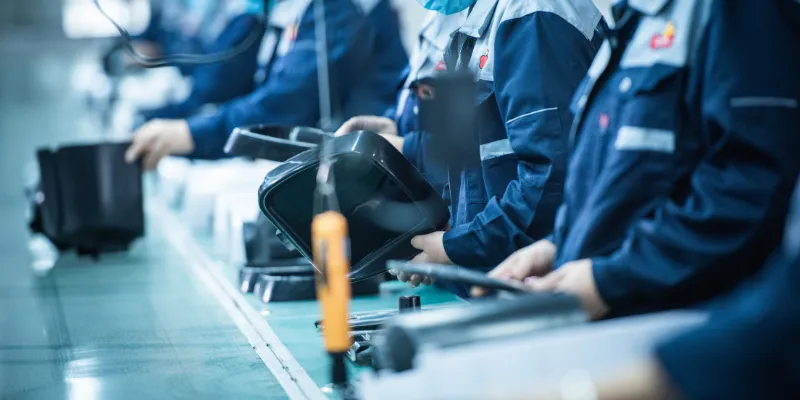
China remains competitive due to automation in modern electronics manufacturing zones such as Guangdong and Zhejiang.
Labor and assembly typically contribute:
- 10–20% of unit cost
However, automation is increasingly replacing manual assembly for:
- PCB mounting
- Motor calibration
- Functional testing
This is one reason China continues to dominate global smart pet electronics OEM manufacturing despite rising labor costs.
#5 Packaging and Branding
Packaging is often underestimated in early budgeting.
Typical OEM packaging cost:
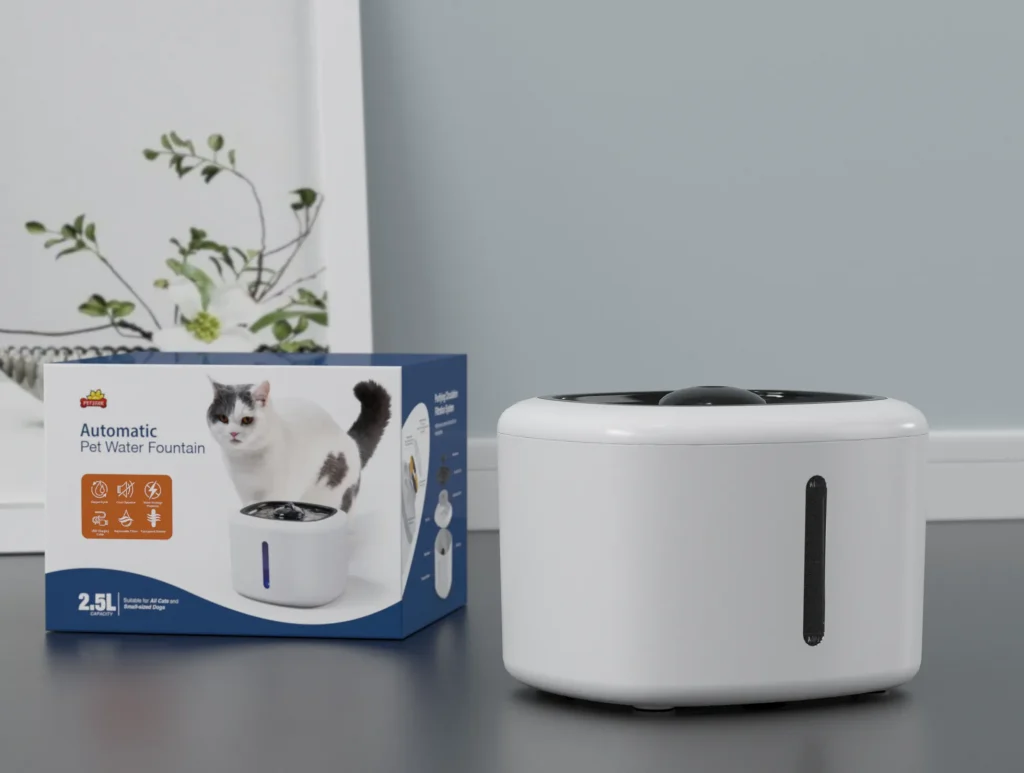
- Standard box: $0.50 – $1.20/unit
- Premium retail packaging: $1.20 – $2.50/unit
For Amazon or retail distribution, packaging can directly influence conversion rates. It is not just a cost—it is part of the product experience.
#6 Certification and Compliance (US & EU Markets)
For export markets, compliance is non-negotiable.
Common requirements:
- FCC (United States)
- CE (Europe)
- RoHS / REACH compliance
- Battery safety testing (for lithium-powered devices)
Estimated cost range:
- $300 – $1,500 per certification batch
Important note: modifying materials or electronic components may require re-testing, which affects final OEM cost.
Cost Differences Across Smart Pet Product Categories
Not all pet electronics behave the same in manufacturing.
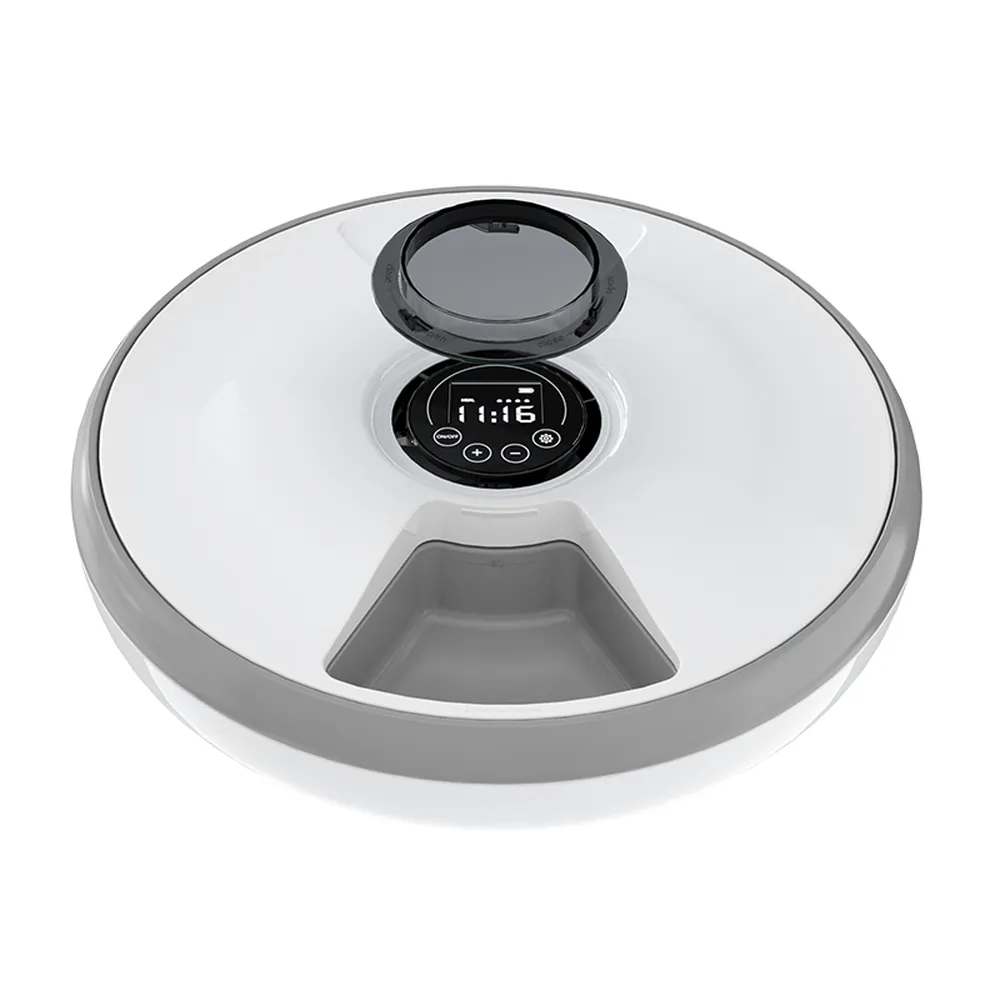
Smart Pet Feeders
One of the most cost-balanced categories.
- Lower tooling complexity
- Moderate electronics integration
- High scalability
Typical OEM positioning:
$8 – $25/unit depending on features and volume
Best fit for subscription models and Amazon/private label brands.
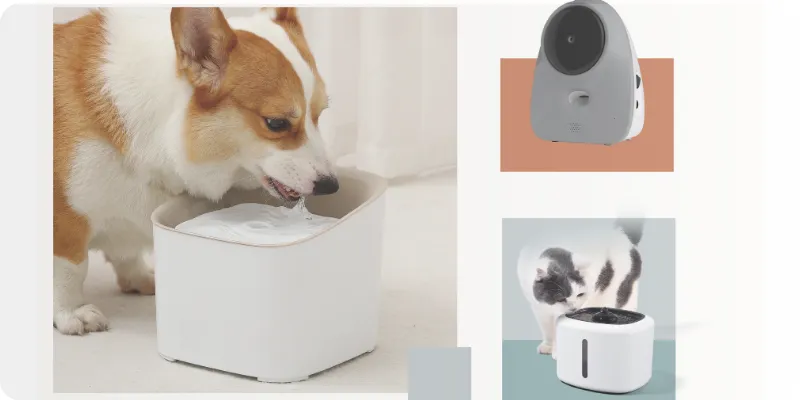
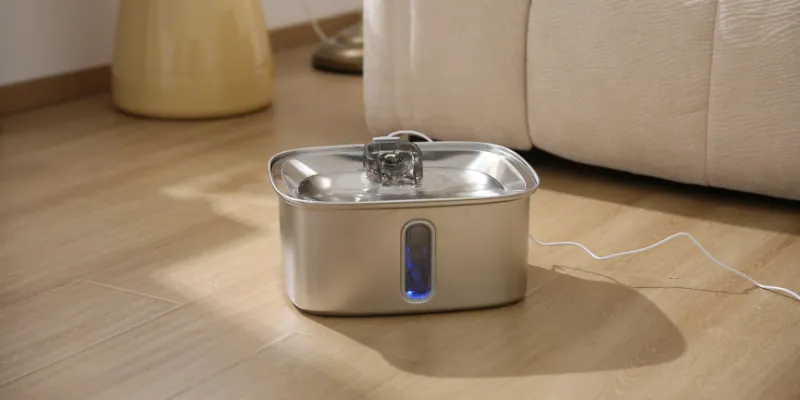
Pet Water Fountains
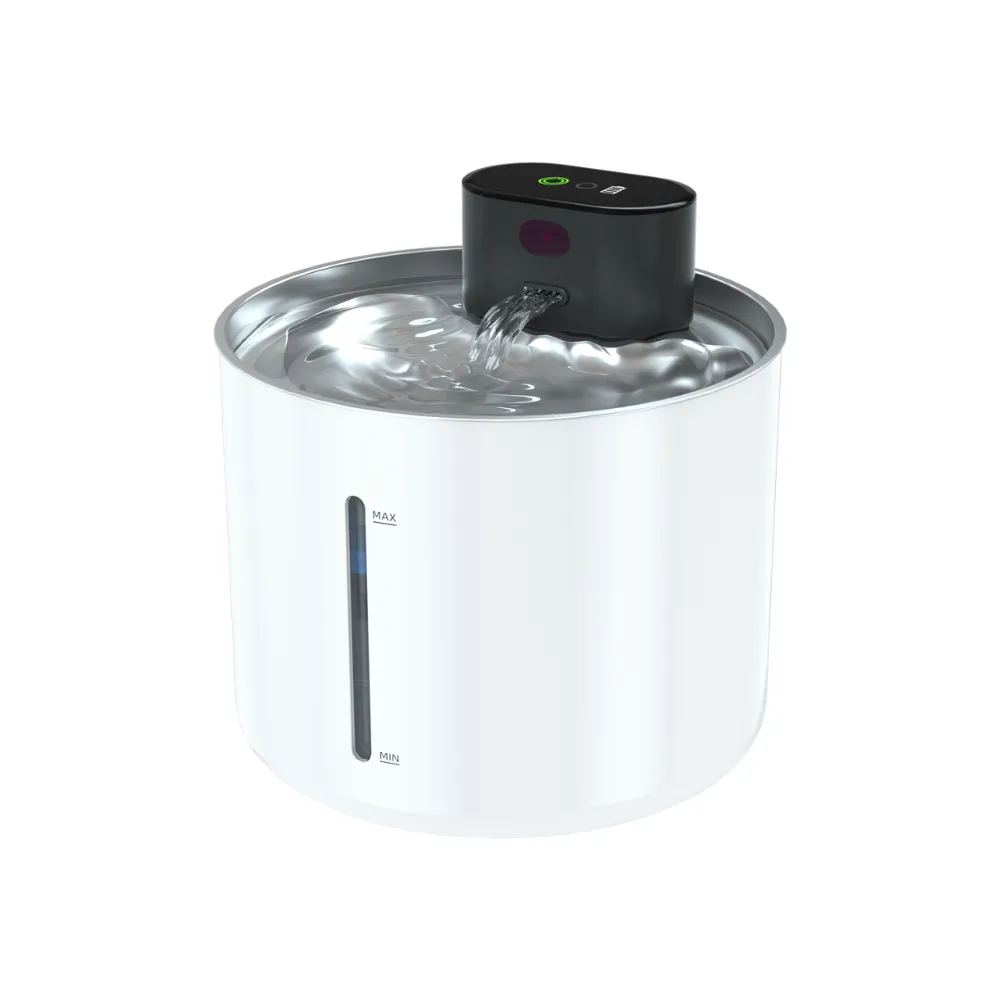
More mechanical than electronic, but still sensor-driven in smart versions.
Cost drivers:
- Pump quality
- Filtration system design
- Noise control engineering
Typical range:
$6 – $18/unit
ODM models are commonly used in this category for faster market entry.
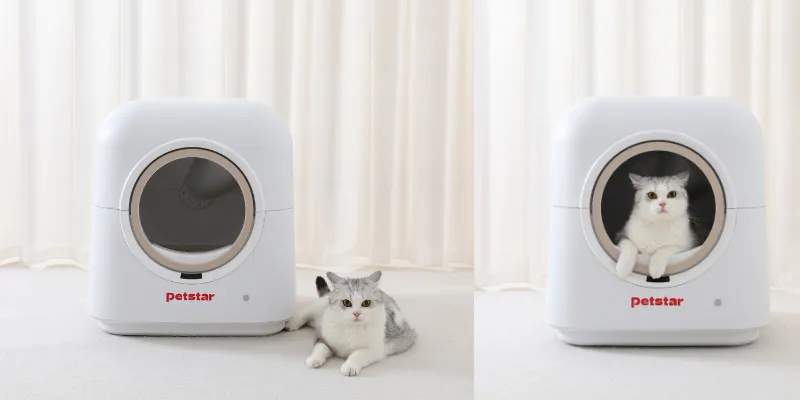
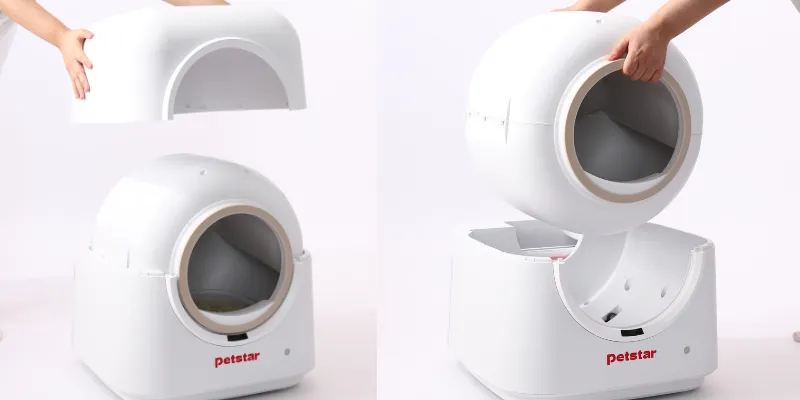
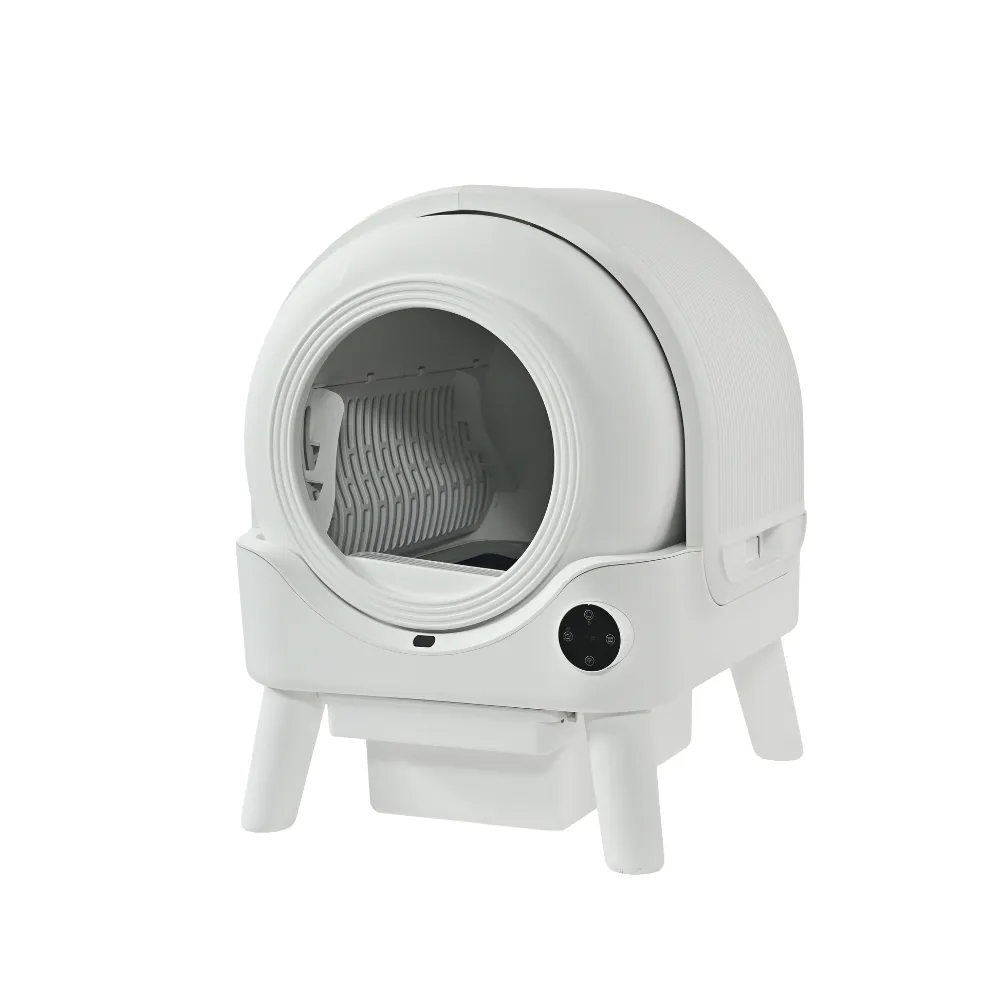
Self-Cleaning Litter Boxes
Highest complexity category in pet electronics.
Cost drivers:
- Motor systems
- Safety sensors
- Waste separation mechanics
- Structural reinforcement
Typical OEM range:
$35 – $150/unit
This category strongly favors OEM or hybrid development due to differentiation needs and safety requirements.
Why China Remains the Global Hub for Smart Pet Manufacturing
Despite global supply diversification trends, China remains central to smart pet product OEM manufacturing for three structural reasons:
- Integrated supply chains (electronics + plastics + assembly)
- Mature IoT hardware ecosystem
- Scalable production capacity for both OEM and ODM models
In practical terms, a smart feeder built in China can move from PCB assembly to final packaging within a tightly controlled supply chain ecosystem. That level of integration is difficult to replicate elsewhere at the same cost efficiency.
For global buyers, this translates into more predictable pricing and faster scaling potential.
OEM vs ODM Cost Impact: What Buyers Often Misunderstand
Many first-time buyers assume:
ODM is always cheaper than OEM
This is not always true in the long run.
ODM reduces upfront cost but may limit:
- Product exclusivity
- Pricing control
- Long-term differentiation
OEM increases initial investment but allows:
- Full design ownership
- Brand protection
- Long-term margin optimization
In real sourcing strategy, many successful brands use a hybrid model:
start with ODM validation → shift to OEM once demand stabilizes.
How to Reduce Smart Pet Products OEM Costs Without Losing Quality
Cost optimization in pet electronics is not about cutting corners. It is about structural efficiency.
Key strategies include:
- Standardizing components across product lines
- Reducing unnecessary smart modules in early versions
- Increasing MOQ strategically to reduce per-unit cost
- Optimizing packaging design for freight efficiency
- Choosing modular PCB designs where possible
Even small engineering adjustments can reduce total cost by 8–15% at scale.
Final Perspective: Cost Is a Strategy, Not a Number
Manufacturing smart pet products in China is not simply about finding the lowest quote.
It is about understanding what drives that quote.
Material decisions, electronics architecture, tooling strategy, and compliance requirements all shape the final number more than labor cost alone.
Brands that treat OEM pricing as a strategic input—not just a procurement figure—tend to build more stable and scalable product lines.
Work with a Reliable Smart Pet Electronics Manufacturer
We support global brands, distributors, and retailers with end-to-end OEM/ODM customized services across smart pet feeders, water fountains, and self-cleaning litter boxes.
From concept development to bulk production, we provide factory-direct pricing, scalable supply capacity, and full manufacturing support for international markets.
If you are planning your next smart pet product line, contact us for:
- OEM/ODM consultation
- Wholesale pricing
- Product catalog
- Bulk order support